
Iron Age
100 Bloomery Iron Smelts: Presenting the Data Web Linked Tables
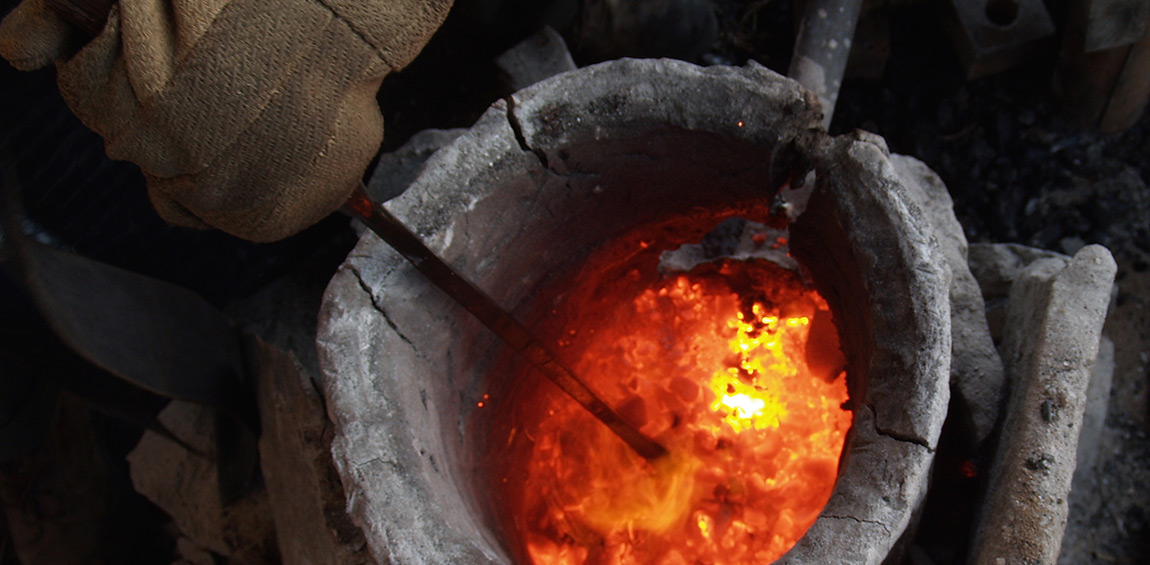
From 2001 to 2026, a total of 101 individual bloomery iron smelts have been carried out either directly or with significant participation by Darrell Markewitz. The bulk of this work was undertaken at Wareham in Central Ontario, Canada. The total includes project work in the USA, Scotland, Denmark, Ireland and Poland. The primary supporting team was made up of members of the Dark ages Re-Creation Company who undertook an additional two smelts included here. Overall, this experimental research is unique in Canada.
.
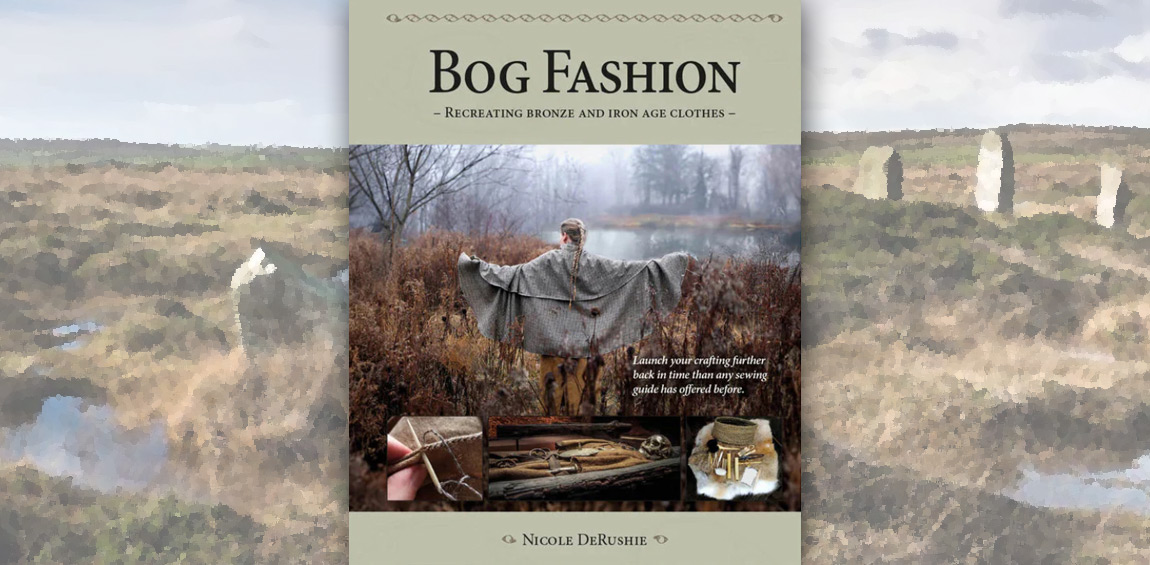
Book Review: Bog Fashion. Recreating Bronze and Iron Age Clothes by Nicole DeRushie
Publication Date
In an age dominated by mass-produced garments made from polyester or low-grade cotton, people are increasingly turning towards high-quality, traditional materials such as wool and linen. These natural fibres not only offer superior practical qualities, keeping one warm in the cold and cool in the heat, but also tend to look far better (though that, of course, remains subjective) and are vastly more durable. Could it then also be time to revisit the classic cuts of prehistory? Is fashion “from the bog” ready to step into the spotlight? With the publication of works such as Bog Fashion. Recreating Bronze and Iron Age Clothes by Nicole DeRushie, this possibility seems ever more plausible.
Documenting Traces Left on Ceramic Surfaces by Tools Used for Treatment and/or Decoration: an Experimental Approach
Publication Date
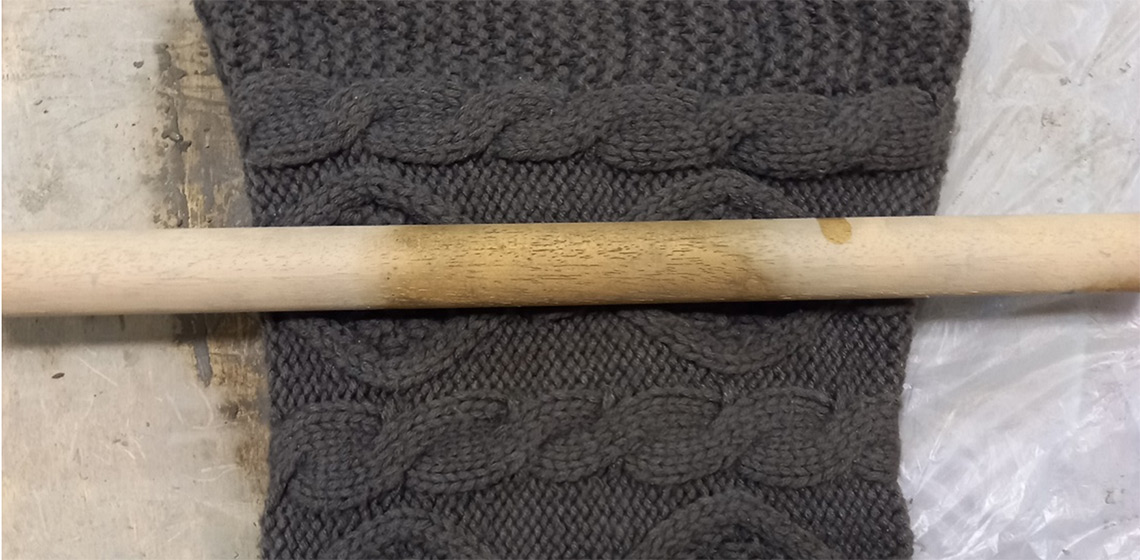
This study explores the role of experimental archaeology in investigating ancient ceramic production techniques. Utilising materials analysed by Rammo (2017) from the fortified settlements of Asva, Ridala, and Iru in Estonia, we focus on two types of impressions on sherds dated to the beginning of the 1st millennium BC. Our aim was to test the hypotheses concerning the execution methods of these impressions and evaluate the effectiveness of experimental methodologies in recreating them...
Baking Bread in the Riff Area (Morocco): An Ethnographic Approach to the Study of Iron Age Archaeological Ovens
Publication Date
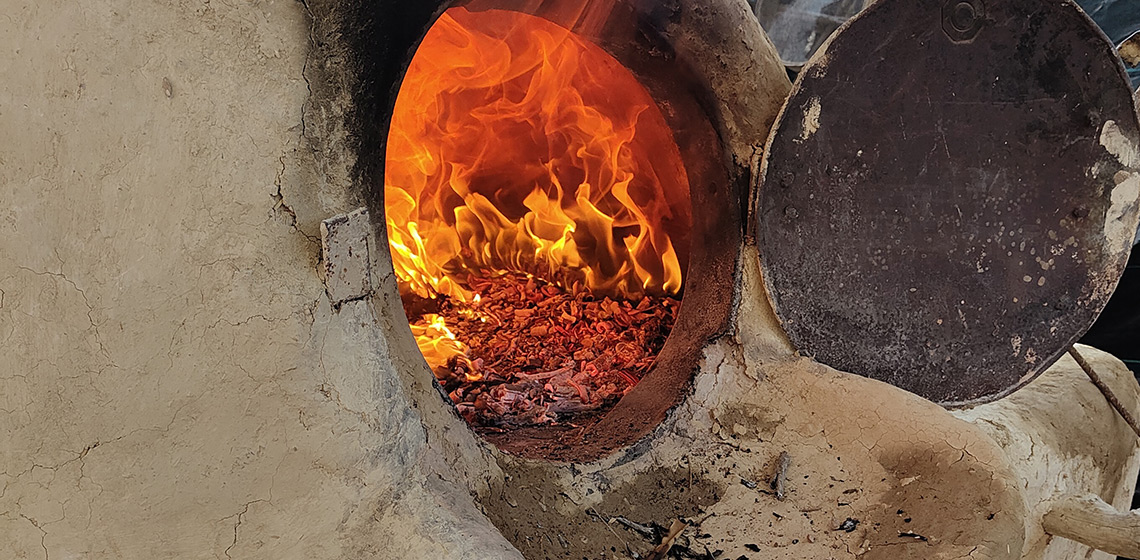
We present the result of our fieldwork conducted in the Riff area (Morocco), where, through the participant observation technique, we have analysed the characteristics and functioning of several bread-baking traditional ovens that are still working in the region. We were able to observe the chaîne opératoire of the process of baking bread...
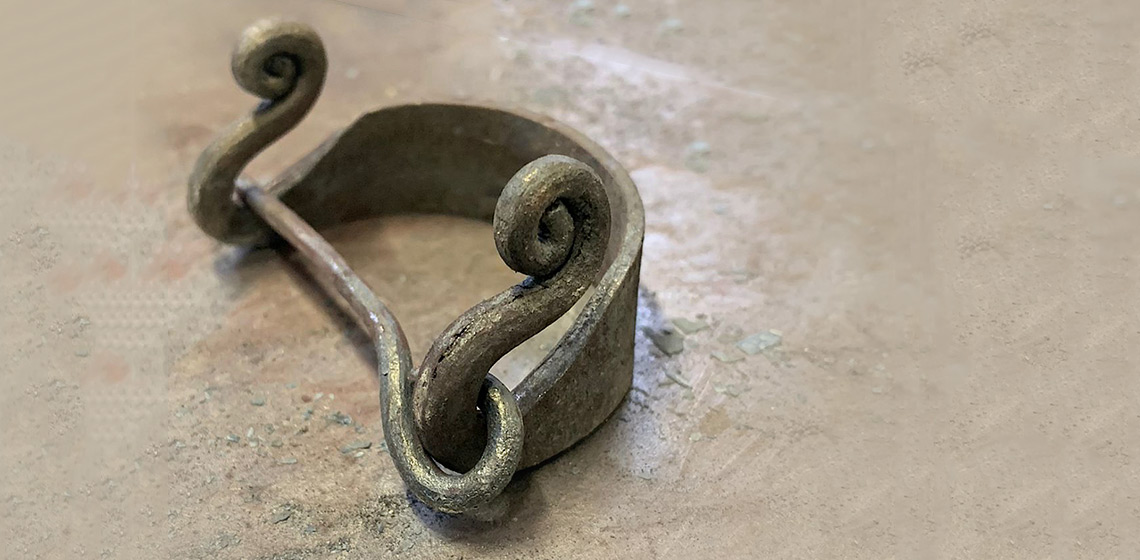
The Salme Ship Burials
Publication Date
With the help of experimental reproduction of archaeological artefacts, it is possible to study how and from which materials that objects might have been made in the Iron Age. Reproductions are carried out with items such as weapons, accessories, jewellery, buildings, food, ceramics, tools, working methods, and many others...
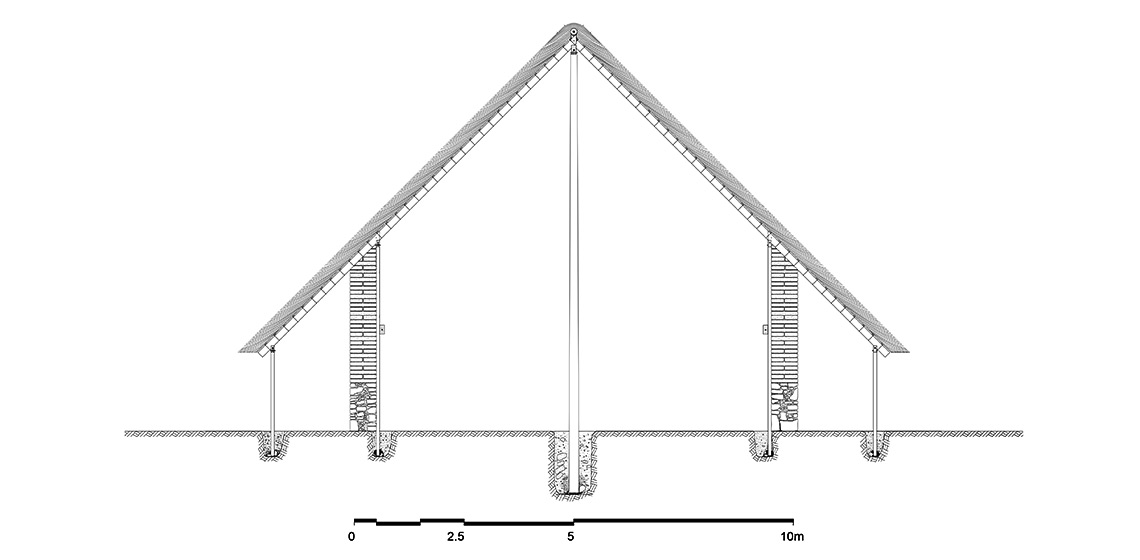
The Lefkandi-Toumba Building as a Timber-Framed Structure
Publication Date
The article demonstrates that the building or megaron on the Toumba hill at Lefkandi (Euboea), dating from c.950 BC, was a timber-framed structure, in contrast to the common view of it as a building with loadbearing walls. This raises the possibility that the walls, perhaps even parts of the frame and the roof, were still under construction...
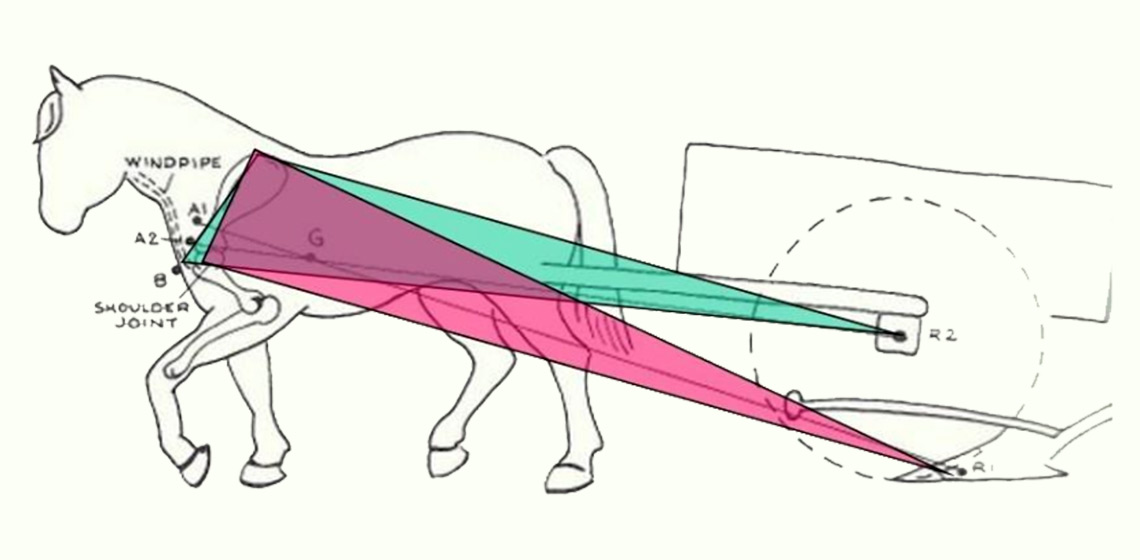
Hay is for Horses: Making and Using a Traditional-Style Irish Straw Harness
Publication Date
The lack of metal lorinery in the archaeological record of early medieval Ireland is addressed through a hypothesis that post-Iron Age bridles were made of straw and rushes, which did not survive deposition. Reconstruction and testing of a straw bridle show the material to be strong and quite suitable for vernacular use...
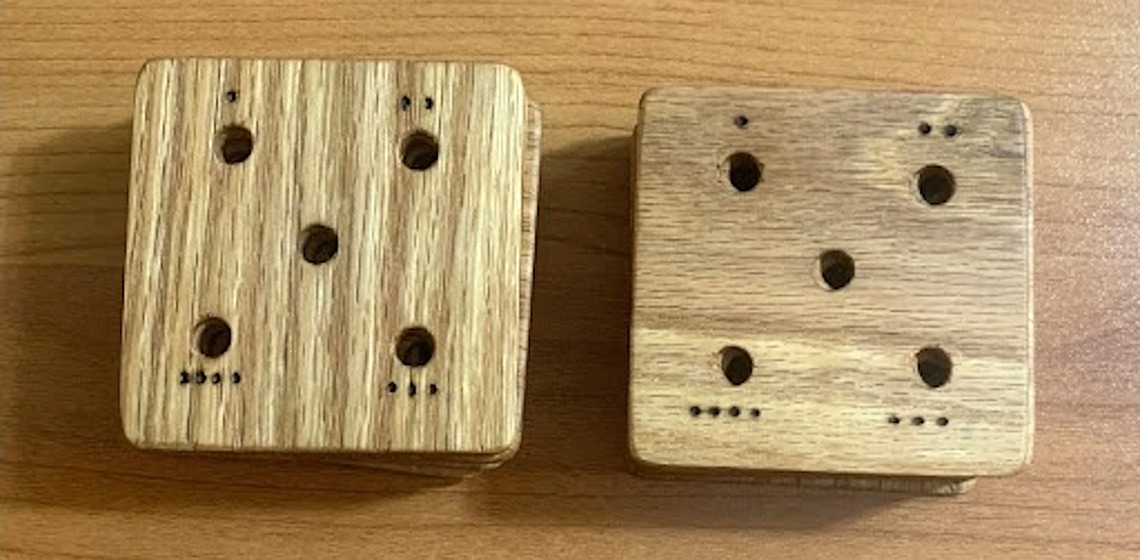
Tarquinia’s Tablets: a Reconstruction of Tablet-Weaving Patterns found in the Tomb of the Triclinium
Publication Date
Within textile Archaeology several key Etruscan sites provide experimental archaeologists with ample evidence for research and recreation. This project aims to look a the textile patterns themselves, and how these weavers might have created the images found on famous Etruscan paintings...
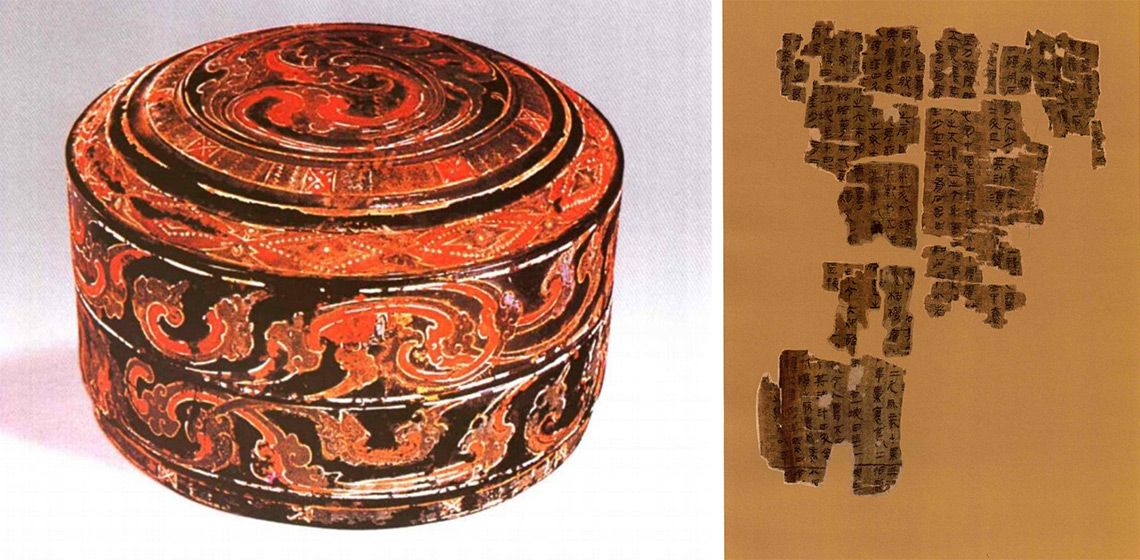
An Experimental Reconstruction of Hair Colours from the Jin and Tang Dynasties (265-907 AD) in China
Publication Date
Hair colours, as a daily cosmetic used in ancient Chinese life, often appear in ancient Chinese medical books, according to types, and can be classified into herbal hair colours and mineral hair colours.
Strategy of Presenting Prehistoric Sites Like an Open-air Stand. Why and How and from a Sustainable Development Perspective
Publication Date
Archaeological excavations have revealed important sites from the prehistoric sites, with the cultural achievements of the early lithic tools of hunters-gatherers in the Palaeolithic, to the emergence of the farmer-village societies in the Neolithic, reaching on to urbanisation and the complex societies of the Chalcolithic...