
Iron Age

Experimental Archaeology of Iron Age Firing Structures from the Western Mediterranean
Author(s)
Maria Carme Belarte 1,2 ✉,
MarĂ­a Pastor Quiles 2,3,
Marta Portillo 4,5,
Carme Saorin 6,7,
Marta Mateu Sagués 2,
Alessandra Pecci 8,9,
SĂ­lvia Vila 10,11,
Josep Pou 12,
Georgina Castells 12,
Jordi Morer 13,
Joaquín Fernández 14,
Publication Date
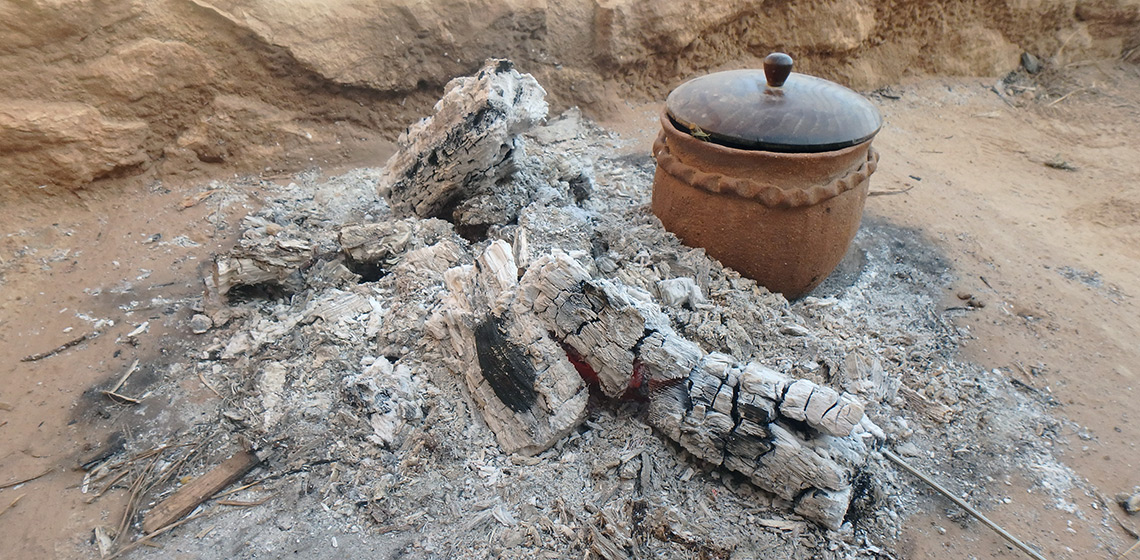
Within the project “Transdisciplinary and experimental study of firing structures in the western Mediterranean during Protohistory (1st millennium BC)”, the TRANSCOMB project is an experimental research programme conducted at the Ciutadella Ibèrica (Iberian Citadell) of Calafell Archaeological Site (Tarragona, Spain) (See Figure 1 and Figure 2). The main objective of the research is to deepen our knowledge of ...

The Little Bowl That Could! Experimental Iron Smelting in a Bowl Furnace
Author(s)
Yvette A. Marks 1 ✉,
V. Lucas 1 ✉,
D. O’ Frighil 2 ✉
Publication Date
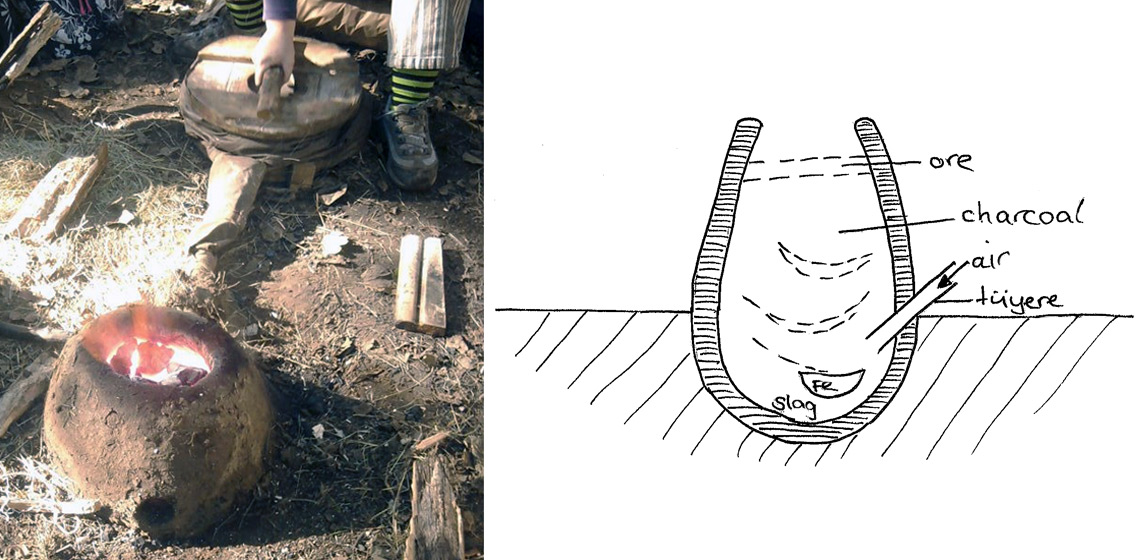
The bowl furnace has been a somewhat neglected topic in the early history of iron making, often overshadowed in experimental work by the shaft furnace. This assessment attempts to re-evaluate the position of the bowl furnace in early iron-making - firstly by looking at how it is regarded in scholarly literature, and secondly, through an experimental reconstruction programme...

Experiments and Thoughts on Amber Working during the Iron Age
Author(s)
Mauro Fiorentini 1 ✉
Publication Date
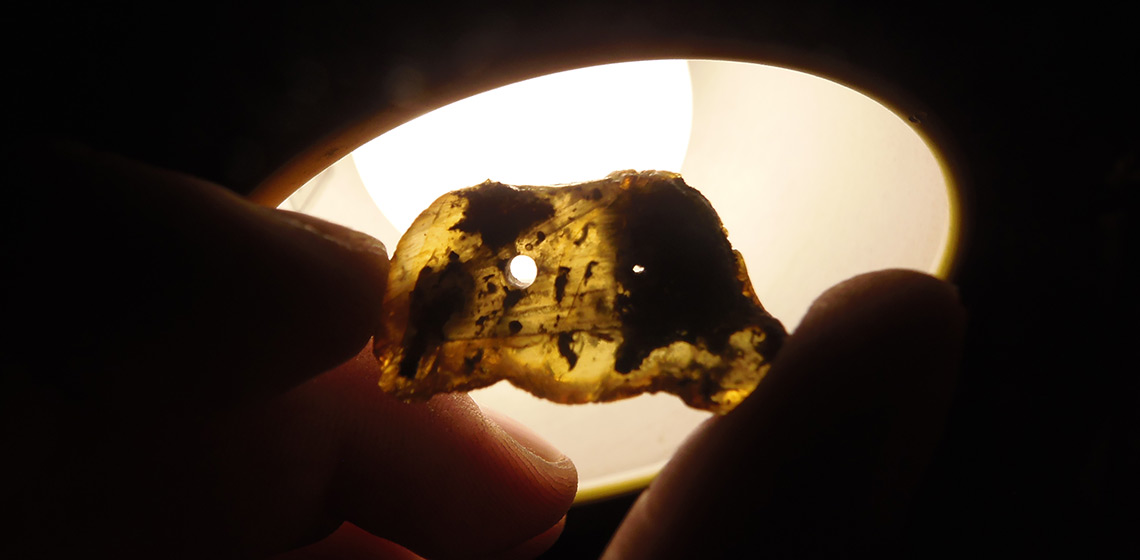
Amber is a fossilized plant resin found in many areas of the world, such as the Baltic Sea coastline, in Central-and South America and, more rarely, in southern Italy. The following work aims to introduce the reader to some experiments carried out on raw Baltic amber cores, using different techniques and tools with the purpose of verifying how effective these tools can be, and any reaction of the amber...

Book Review: Pots and Practices: An experimental and microwear approach to Early Iron Age Vessel Biographies by Annelou van Gijn et al (ed)
Author(s)
Linda K Anderson 1 ✉
Publication Date

New or not new to experimental archaeology and microwear methodology in archaeology? Pots and Practices presents a succinct methodology to the analysis developed by archaeologists and a practicing ceramic artist, an investigation into working together on the relationship between two sites, their similarities and differences...

Event Review: “NOVILARA DEI PICENI” Walk like a Picenian…
Author(s)
Mauro Fiorentini 1 ✉
Publication Date

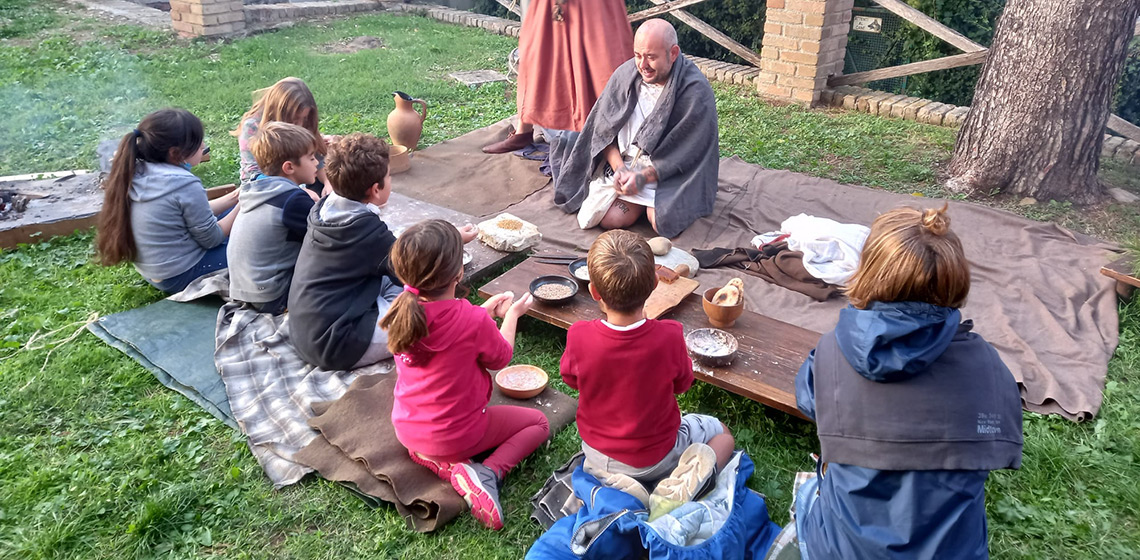
The Modern regions of Marche and Abruzzo were inhabited by various people during the Iron Age, but among those one particular population was more prevalent and gave a name to a whole culture: the Picenians. The Picenians, a mixture of Indigenous people and settlers from the East and the West, were fierce warriors who were able to give life to aristocracies and who relied on wars, agriculture, fishing and cattle breeding to prosper. During the 5th century B.C. Celtic tribes settled in the northern part of region and they soon adapted local customs and habits.

Ancient Greek Weaving, Experimental Archeology on Greek Textiles and Household GDP
Author(s)
Richard J. Palmer 1 ✉
Publication Date
#EAC12 World Tour 2021
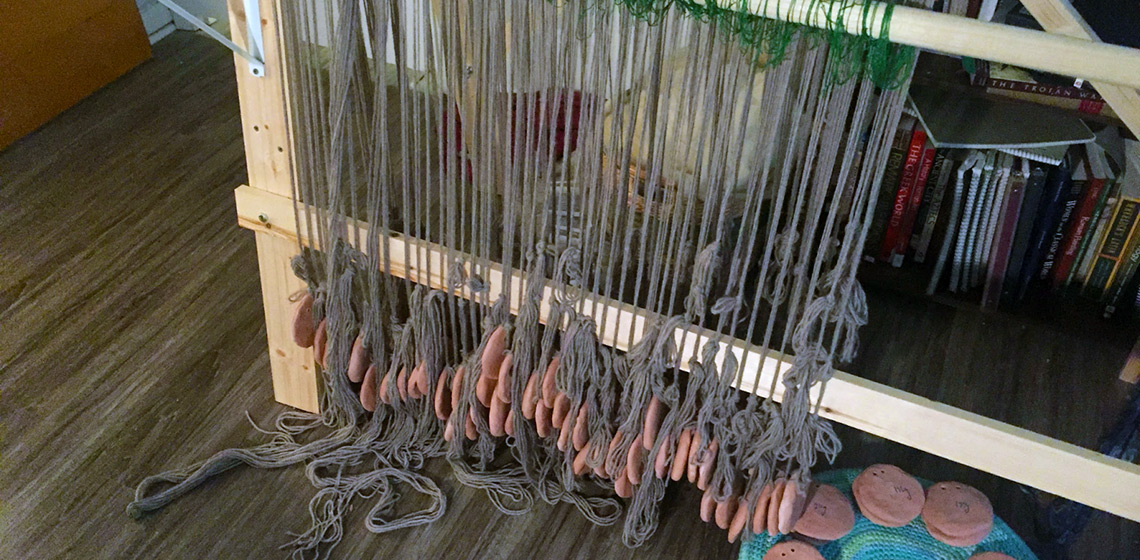
***This paper outlines the experimental weaving project of an ancient Greek chlamys to investigate the weaving production capacity of a typical household and reconstruct women’s contribution to household GDP in ancient Greece. While some scholars have researched finer textiles and tech-niques based on visual evidence...

Before They Dyed. Mordants and Assists in the Textile Dyeing Process in Anglo-Saxon and Anglo-Scandinavian Britain: An Experimental Approach
Author(s)
Katarzyna Stasińska 1 ✉
Publication Date
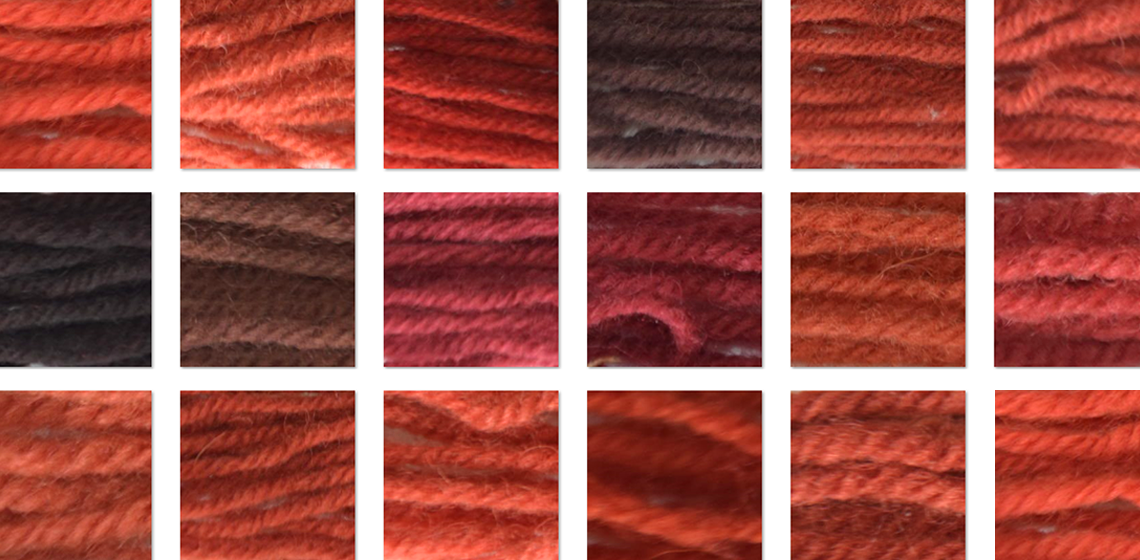
The experiment aimed to investigate certain aspects of the textile dyeing process in Anglo-Scandinavian and Anglo-Saxon Britain: substances known as mordants and assists. This aspect of the dyeing process is often omitted by researchers, who mostly focus on dyestuff as a source of colour. Mordants and assists deserve wider research, however, as they play a great part in the dyeing process...

An Experimental Study of Lesions Observed in Bog Body Funerary Performances
Author(s)
Tiffany Treadway 1 ✉,
Clement Twumasi 2
Publication Date
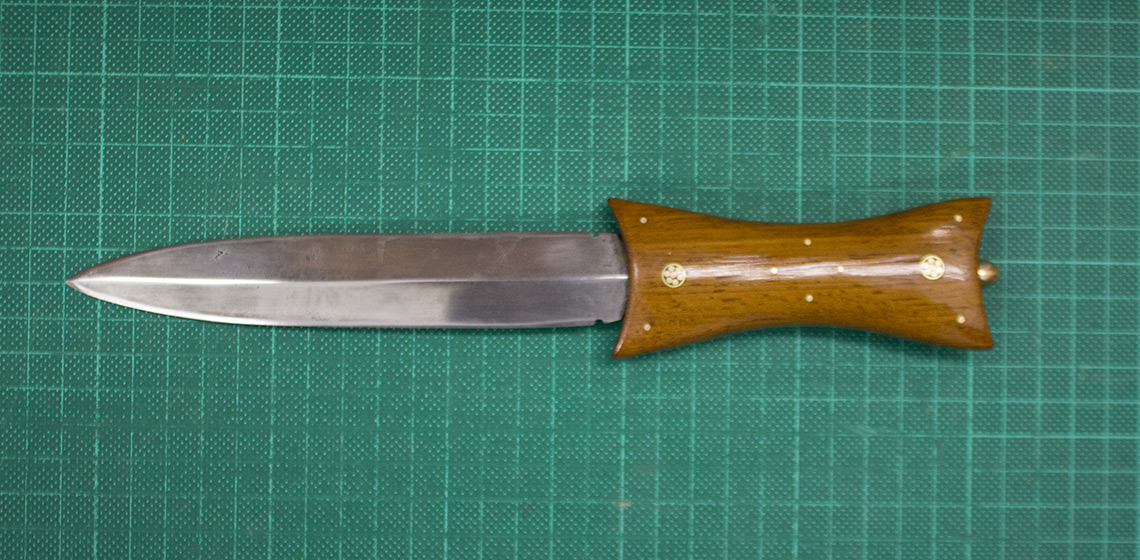
The analysis of sharp force trauma has usually been reserved for prehistoric osteological case studies. Bog bodies, on the other hand, due to the excellent preservation of the soft tissues, provide a unique example of visible lesions. This type of preservation of prehistoric soft tissue trauma that would otherwise be predominantly absent from osteological remains allows archaeologists to understand better the ...

Some Reflections on the Origin and Use of the Potter's Wheel during the Iron Age in the Iberian Peninsula. Interpretive Possibilities and Limitations
Author(s)
Juan Jesús Padilla Fernández 1 ✉
Publication Date
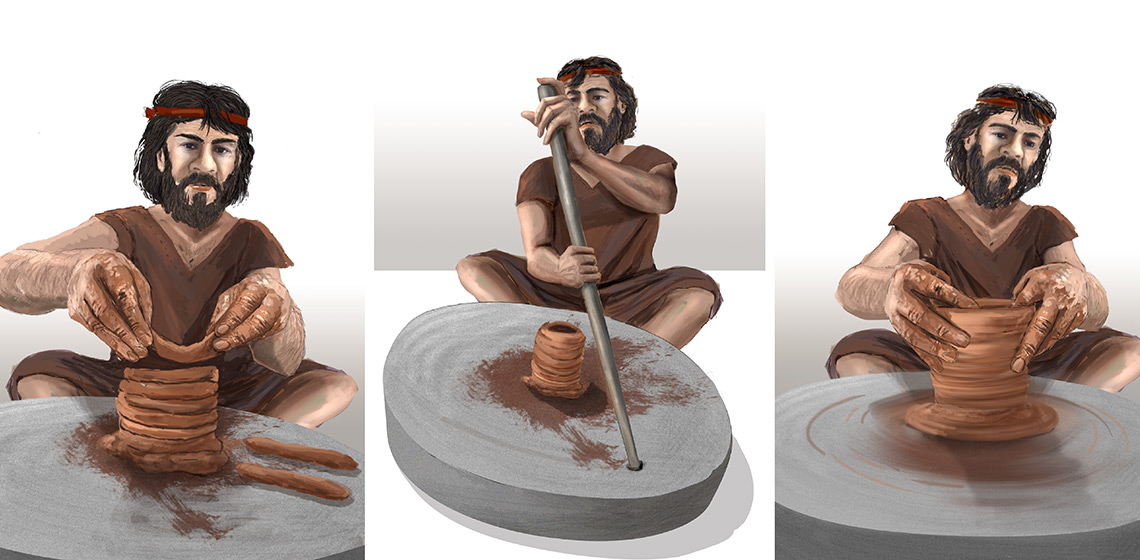
An abundance of past research has addressed Iron Age pottery in the Iberian Peninsula since the beginning of archaeological analysis in Spain. However, it has mainly focused on examining historical-cultural aspects linked to specific chronologies and typologies. It is only rarely that studies have been concerned with production processes. Ethnography has traditionally been used to make direct ...

Bast, Ferns, and Mud: Experimental Recreation of a Kapa Kaha (Barkcloth)
Author(s)
Avalon Paradea 1 ✉
Publication Date
#EAC12 World Tour 2021
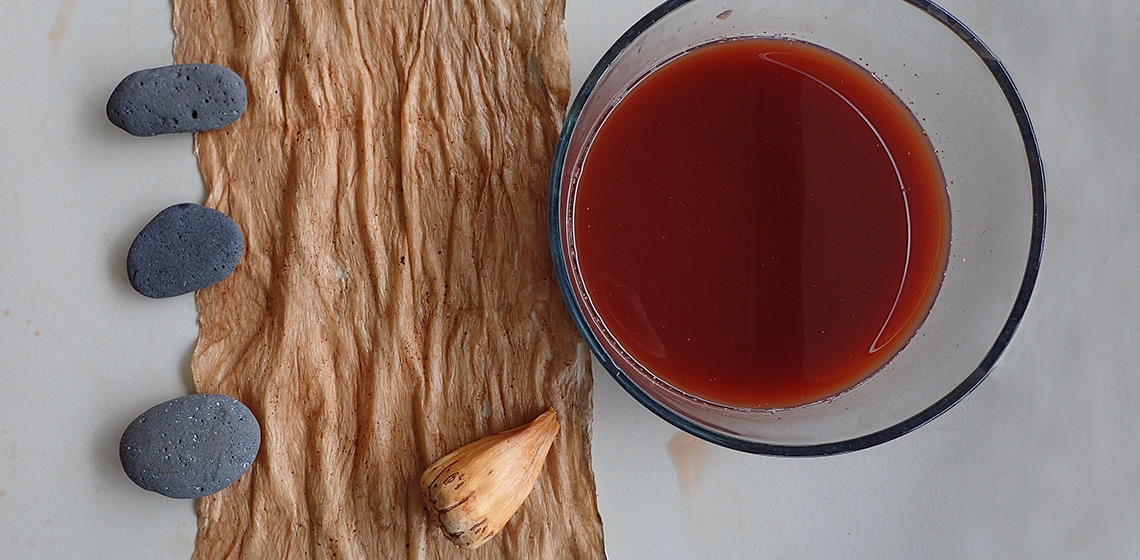
***Kapa (Hawaiian barkcloth) was the ubiquitous fabric of historic Hawaiʻi, used for everything from clothing to bedding, from swaddling newborns to enshrouding the deceased, and all things in between. This textile is crafted from the bast (inner bark) of several plant species...