EXARC Journal Issue 2026/1

DOAJ Seal
EXARC Journal Issue 2026/1

EXARC Journal

10 Articles | DOAJ | Open Access
ISSN: 2212-8956
Publishing date: February 17, 2026
📄 EXARC Journal 2026/1 Table of Contents
Copyrights: EXARC, 2026


Summary

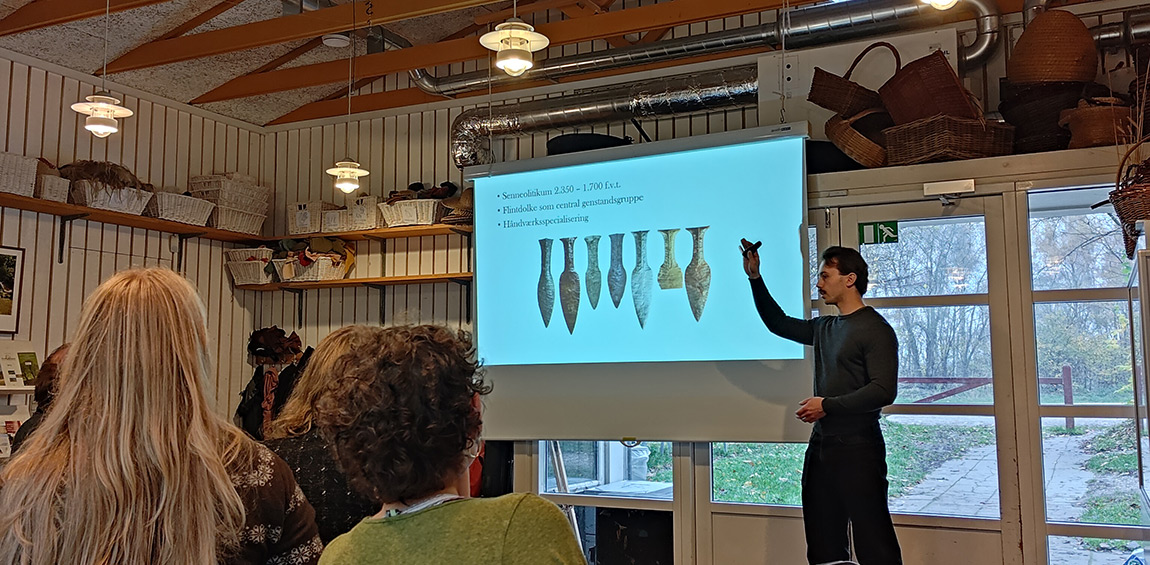
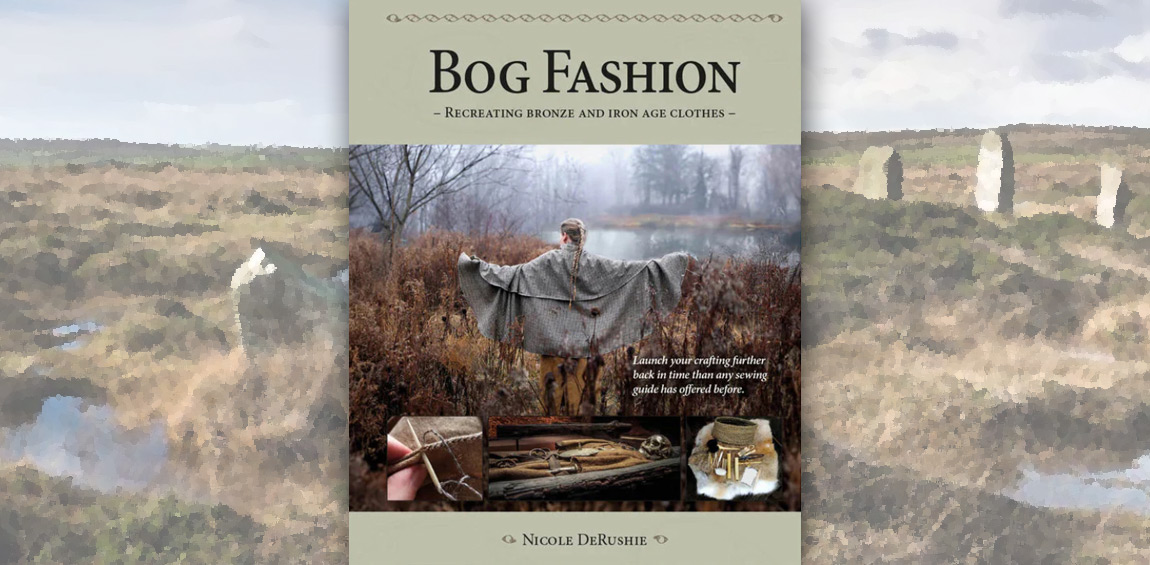
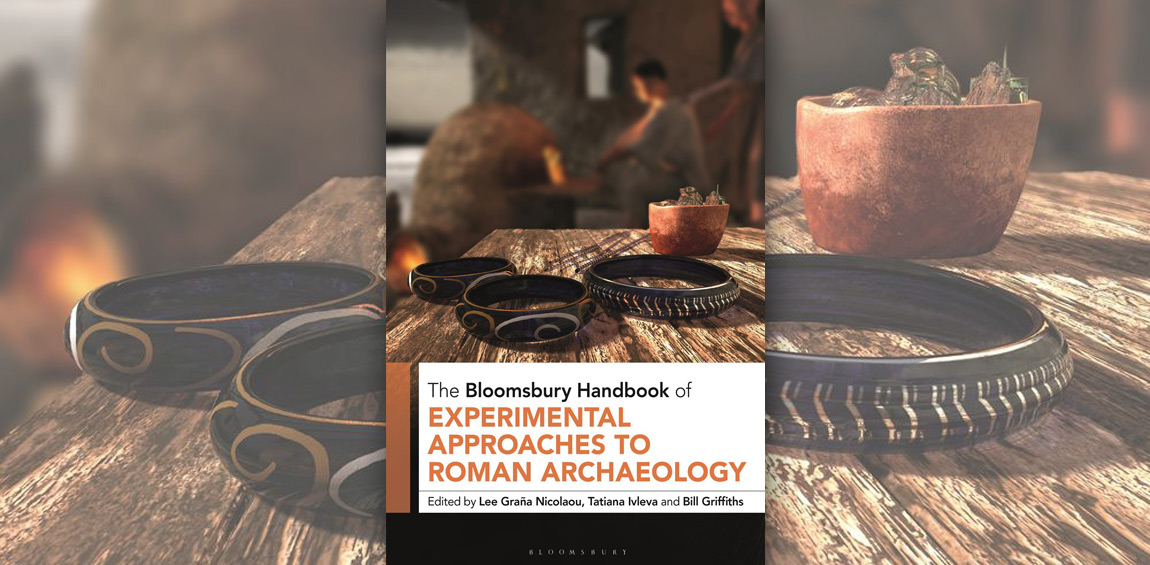
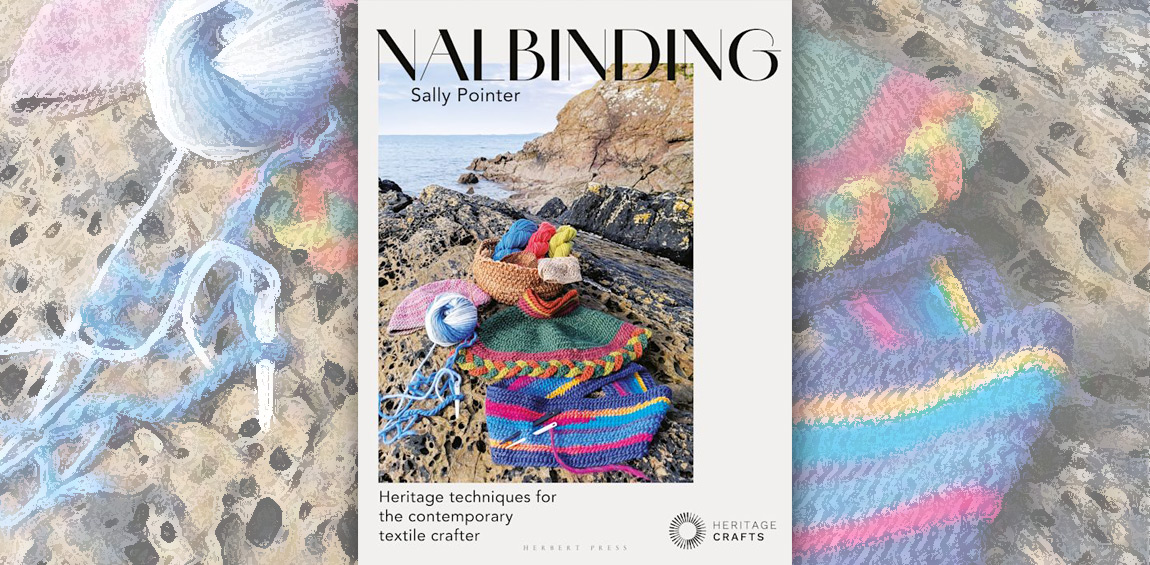
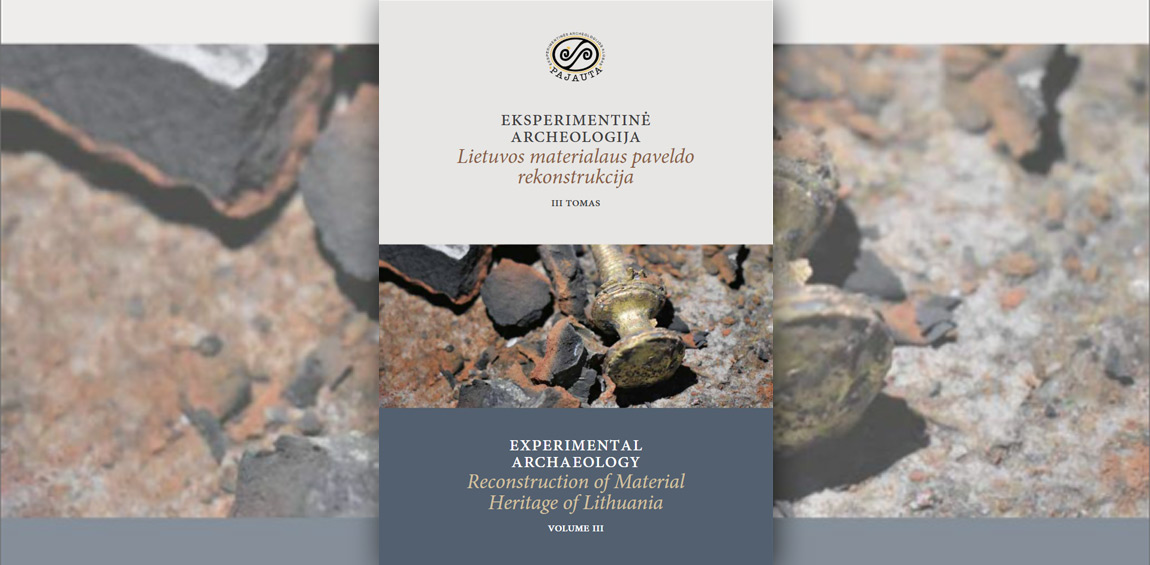
The 2026/1 issue of EXARC Journal contains 4 reviewed and six mixed matters articles. All articles in our Journal are open access to allow for free exchange of information in the fields of experimental archaeology, historical reconstruction, ancient technology, experiential studying and presenting of the past. Thoughts on the Concepts and Methods of Experimental Archaeology by Bangcheng Tang focuses on theoretical underpinning of experimental archaeology within the context of the developmental history of Chinese experimental archaeology. Christopher Scott and Karl Lee use experimental archaeology to study possibilities of combinatorial technology in their article Getting a Handle on Technological Complexity in the Acheulean: Hand-axes Make Excellent High-Energy Hafted Woodworking Tools. The article The Transformation of Glass Debris from Apollonia-Arsuf (Byzantine Sozousa) looks into the abundance of small chunks of raw glass at Apollonia-Arsuf, a major centre of primary and secondary glass production during the Byzantine period. The last article takes us back to China and is dedicated to the manufacturing techniques of globular-bellied vessels from the Zhongshan State of China’s Late Bronze Age (770 BCE–221 BCE). The mixed matter section brings reports on two events – The fifth annual meeting of Experimental Archaeology in Denmark and Paleofestival, which took place in October 2025 in Montevarchi (Italy) and four book reviews: Bog Fashion. Recreating Bronze and Iron Age Clothes by Nicole DeRushie, The Bloomsbury Handbook of Experimental Approaches to Roman Archaeology by Lee Graña Nicolaou, Tatiana Ivleva and Bill Griffiths, Nalbinding: It’s not Knitting: Heritage techniques for the contemporary textile crafter by Sally Pointer and Experimental Archaeology: Reconstruction of Material Heritage of Lithuania, Volume III by Daiva Luchtaniene.


Reviewed Articles

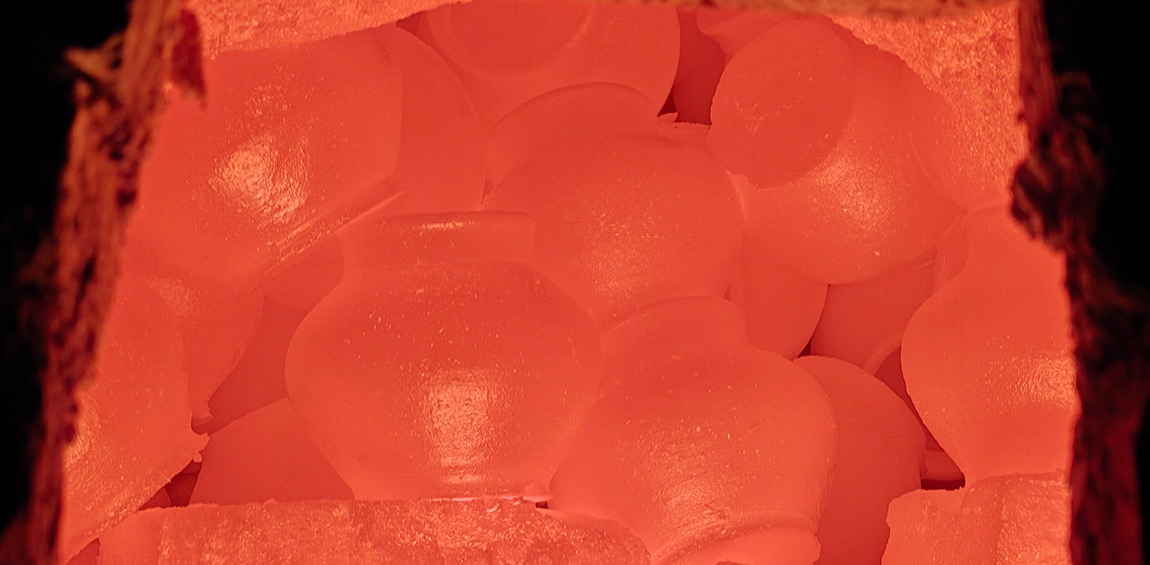
Study on the Globular-Bellied Vessels of the Zhongshan State in the Late Bronze Age of China
Author(s)
Bangcheng Tang 1, 2, 3 ✉,
Xin Li 1, 3
Publication Date
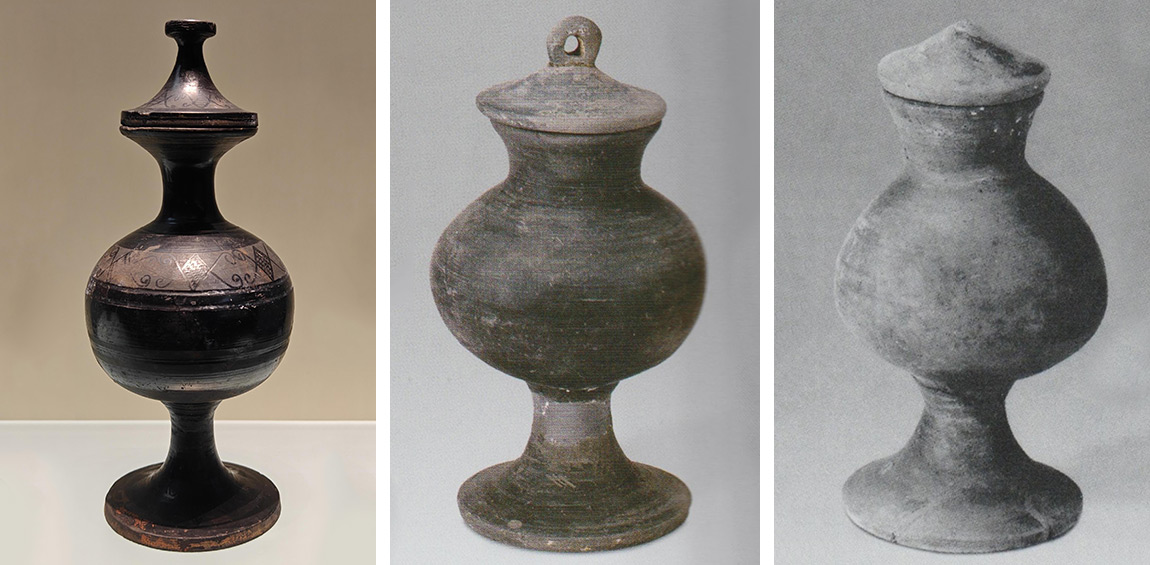
To interpret the manufacturing techniques of globular-bellied vessels from the Zhongshan State of China’s Late Bronze Age (770 BCE–221 BCE), experimental reconstruction was carried out. Based on the experimental results, it can be concluded that these vessels were composed of three separate components: the lid, the spherical body, and the flared base, which were integrated into a single unit through a specialized assembly technique. Specifically, the three components were first individually fabricated, the spherical body and flared base were then polished and incised with decorative patterns before being bonded into an integrated unit. Finally, this unit was combined with the lid to form a complete vessel. It should be emphasized that...

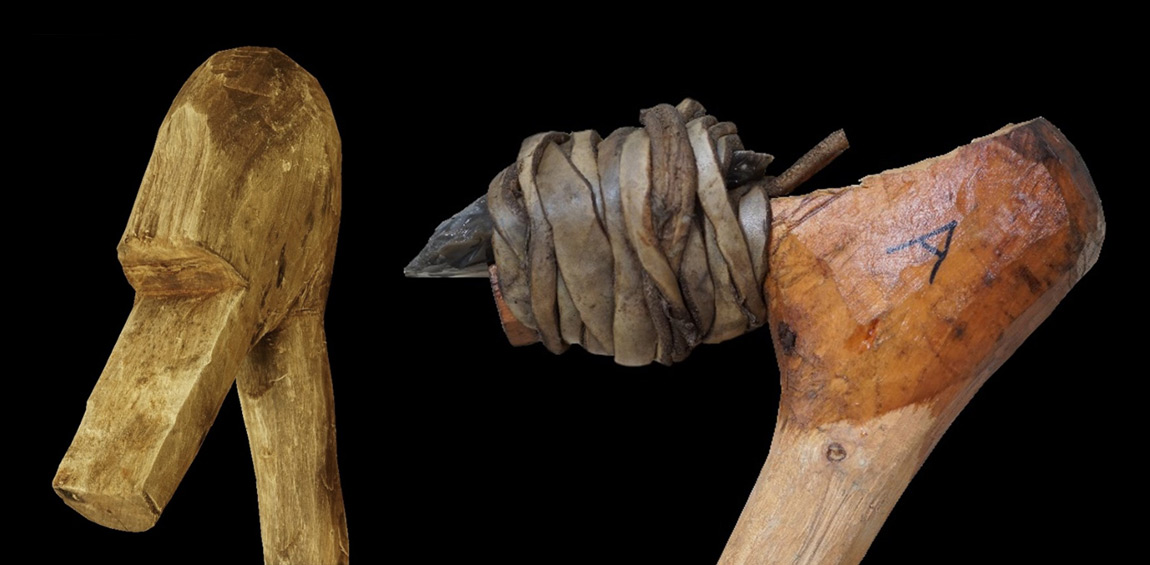
Getting a Handle on Technological Complexity in the Acheulean: Hand-axes Make Excellent High-Energy Hafted Woodworking Tools
Author(s)
Christopher Scott 1 ✉,
Karl Lee 2
Publication Date
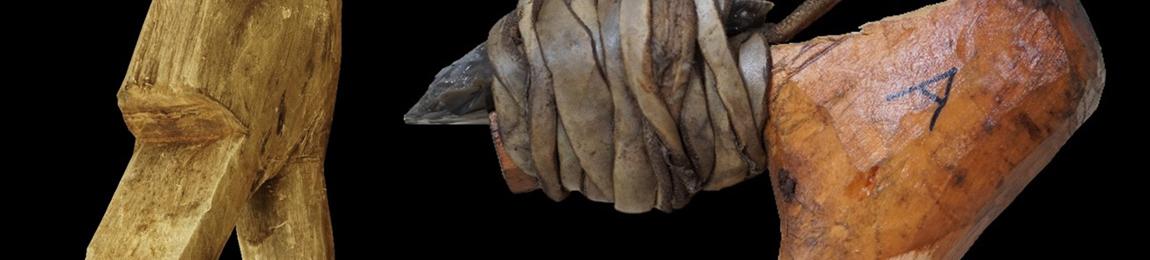
Reconstructing human behavioural complexity from stone tools is a primary concern for the Palaeolithic archaeologist. Two nested challenges exist in this reconstruction. Firstly, inferring the technical processes and bodies of knowledge, which combine with tools to make ‘technology’. Secondly, human technology is uniquely combinatorial, with stone tools possibly part of a more complex tool. The organic elements of such a tool, such as handles and bindings are, however, not preserved. The emergence of combinatorial technology is poorly understood, with a focus on stone points as armatures, characteristic of post-Acheulean periods leading to limited consideration of it within the Acheulean. Using experimental archaeology, here we demonstrate that ...

Thoughts on the Concepts and Methods of Experimental Archaeology
Author(s)
Bangcheng Tang 1, 2 ✉
Publication Date
Based on the theory of experimental archaeology, this paper clarifies the definitions of academic terms including simulation experiment, restoration research, restoration experiment, simulation research, experimental reconstruction and experimental reconfiguration, so as to standardise the development of experimental archaeology research. It should be noted that experimental archaeology follows distinct development trajectories across nations and regions, a pattern closely intertwined with their respective cultural backgrounds and established archaeological research practices. In focusing on the Chinese context this paper traces the developmental history of its experimental archaeology, draws on contemporary domestic case studies, seeks to elucidate the role and distinctive characteristics of experimental archaeology against the backdrop of China’s archaeological development, and puts forward reflections on the theoretical underpinnings of experimental archaeology...

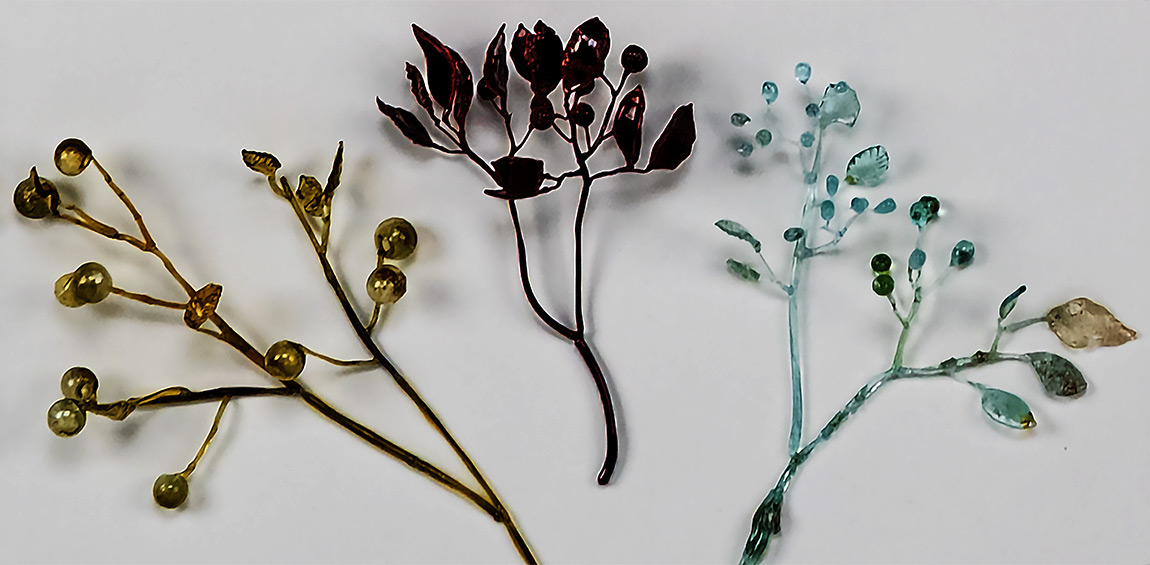
The Transformation of Glass Debris from Apollonia-Arsuf (Byzantine Sozousa)
Author(s)
Oren Tal 1 ✉,
Ruth E. Jackson-Tal 2,
Dafna Kaffeman 3
Publication Date
The site of Apollonia-Arsuf (Byzantine Sozousa) is located on the Mediterranean coast, some 17 km north of Jaffa (Joppa) and 34 km south of Caesarea Maritima, Israel. The site has been excavated continuously over the last 40 years by the Apollonia-Arsuf Excavation Project. Once a modest coastal settlement, it became the main urban centre of the southern Sharon plain in Byzantine times (4th-7th centuries AD). It was during that period that the site became a major centre of primary (and secondary) glass production (Freestone, 2020), with several excavated primary glass furnaces and additionally documented ones on its terrain (Tal, Jackson-Tal and Freestone, 2004; Freestone, Jackson-Tal and Tal, 2008; Tal, 2020, pp.60-80 passim).