
Newest Era
Variables and Assumptions in Modern Interpretation of Ancient Spinning Technique and Technology Through Archaeological Experimentation
Publication Date
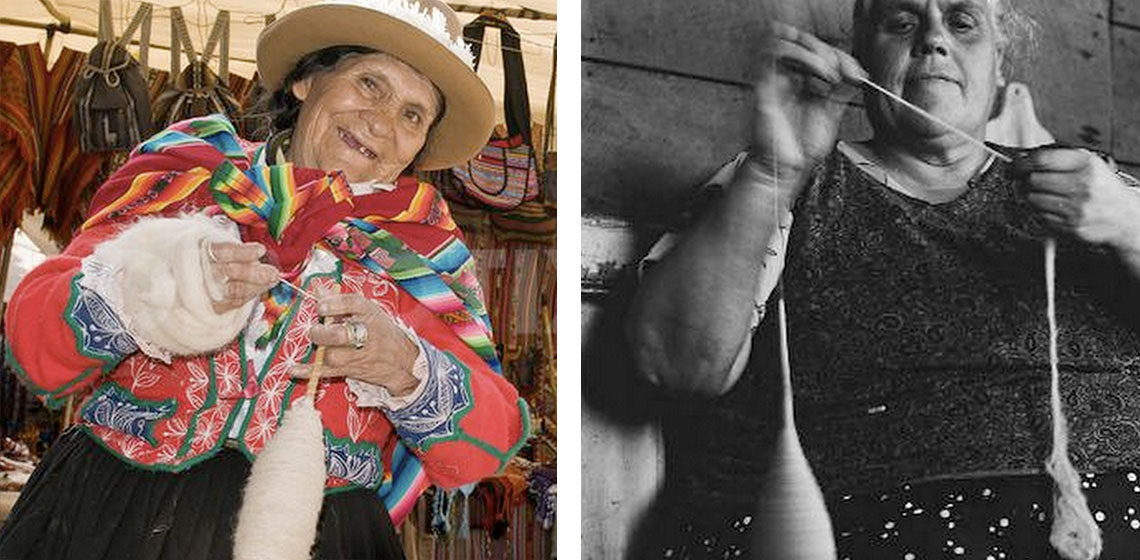
This paper takes the form of a critical analysis of archaeological experiments using spinning tools. The archaeological experiments regarding whorl weight and wool spinning of the Tools and Textiles – Texts and Contexts project, through the Danish National Research Foundation’s Centre for Textile Research, are examined with respect to a number of variables...
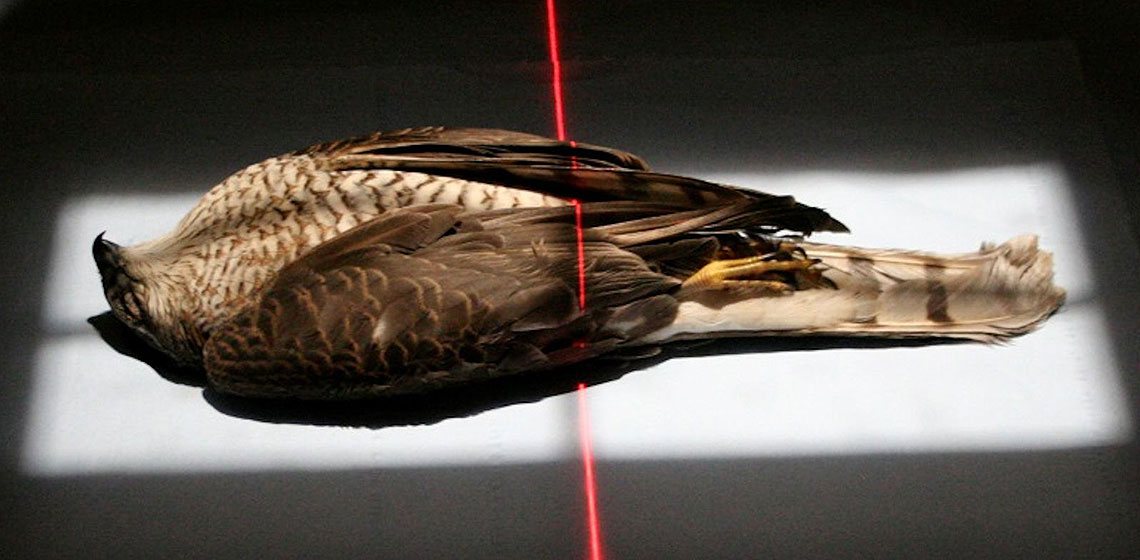
The Mummification of Votive Birds: Past and Present
Publication Date
7th UK EA Conference Cardiff 2013
***A mummy is defined as a ‘well-preserved dead body’ (Cockburn, Cockburn & Reyman 1998, 1), achieved by either natural or anthropogenic methods and refers to both human and animal subjects. Mummies achieved through both these methods are found in ancient Egypt as a result of preservation through desiccation, achieved by direct contact between the corpse and a dry, sandy matrix (natural); or through the use of natron (anthropogenic), coupled with evisceration (the removal of the internal organs) and anointment with resinous compounds, followed by wrapping the corpse in layers of linen (Ikram and Dodson 1998; Taylor 2001).
***A mummy is defined as a ‘well-preserved dead body’ (Cockburn, Cockburn & Reyman 1998, 1), achieved by either natural or anthropogenic methods and refers to both human and animal subjects. Mummies achieved through both these methods are found in ancient Egypt as a result of preservation through desiccation, achieved by direct contact between the corpse and a dry, sandy matrix (natural); or through the use of natron (anthropogenic), coupled with evisceration (the removal of the internal organs) and anointment with resinous compounds, followed by wrapping the corpse in layers of linen (Ikram and Dodson 1998; Taylor 2001).
“You could See it [the Past] in your Mind”: What Impact might Living History Performance Have on the Historical Consciousness of Young People?

Publication Date
Combining theoretical perspectives with two case studies carried out in 2008 with British students aged from 10-17 years old, this paper will explore how living history might contribute to the development of young people’s historical consciousness and help them to cope with the social and cultural differences which confront them when learning about the past. In particular, it will focus on the effectiveness of first- and third-person interpretation.
Conference Review: A Trip to the Birthplace of Experimental Archaeology
Publication Date
Summer is already coming to an end, but in experimental archaeology, season is not important. Following the conclusion of a field course in experimental archaeology held in the University of Latvia, it is hoped that a short report and perhaps a more detailed article will be produced in the future...
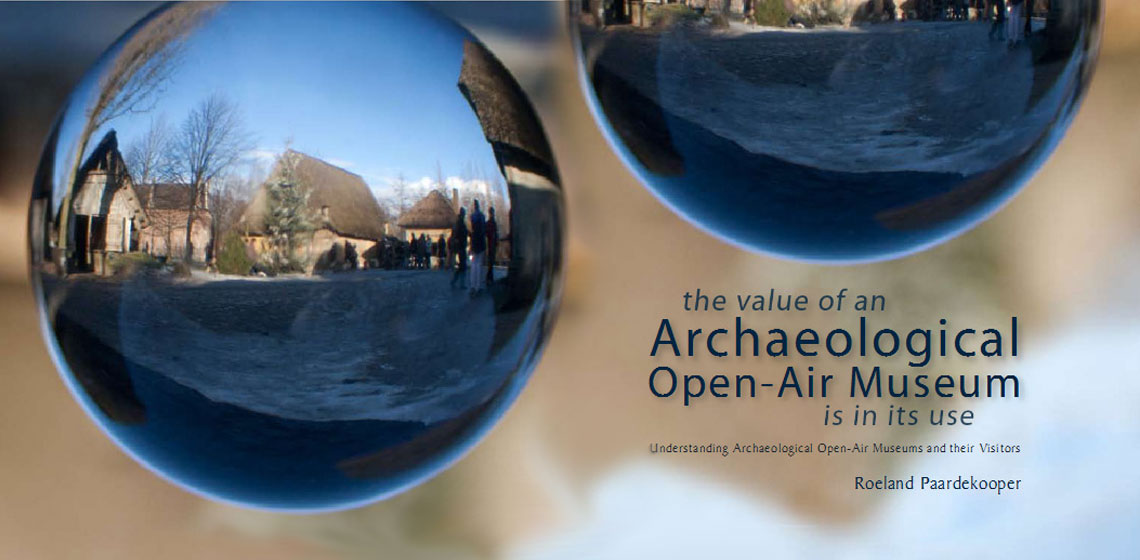
Book Review: The Value of an Archaeological Open-Air Museum is in its Use by Roeland Paardekooper
Publication Date
With publication of Dr Paardekooper’s monograph we now, finally, have a secure databank of facts and figures relating to archaeological open-air museums in Europe, including management structures, key financial indicators, visitor profiles and visitor numbers...
120 Years of Strategies and Experiences in Educational and Handicraft Skills
Publication Date
OpenArch Dialogue with Skills Issue
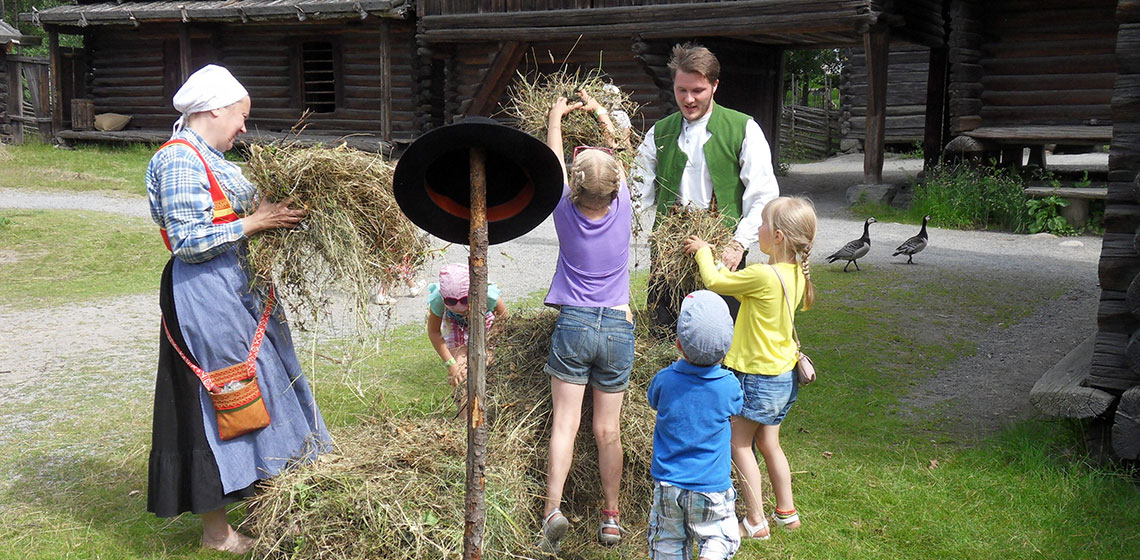
***One aim of the five year EU-funded Culture Project OpenArch is to encourage cooperation between archaeological open-air museums in Europe and ethnological open-air museums who have a long history of presenting and handicraft to the public in practical ways...
***One aim of the five year EU-funded Culture Project OpenArch is to encourage cooperation between archaeological open-air museums in Europe and ethnological open-air museums who have a long history of presenting and handicraft to the public in practical ways...
People Want Quality and They are Willing to Pay for it
Publication Date
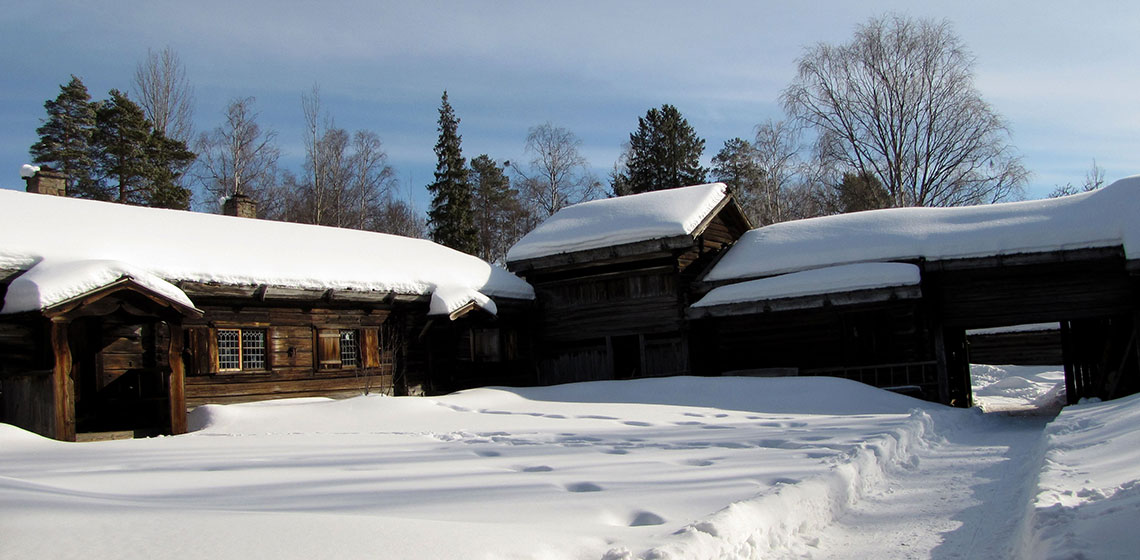
The international and European notion of cultural and creative industries has not shown much appreciation of the potential of the cultural sector, especially the heritage sector. This may or may not be fair, but the perspective in the conclusions from KEA studies on cultural economy and creativity has been symptomatic for the European approach (KEA 2006; 2009)...
I Know What you Did Last Summer
Publication Date
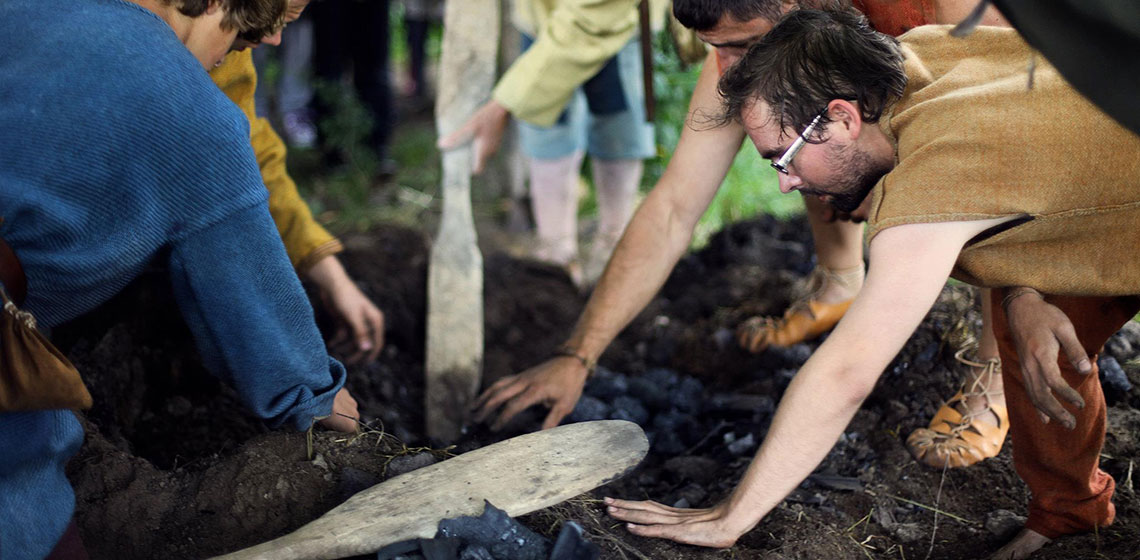
It was during a field trip to the National Archives with a group of college students that I first became aware of the problem. We had traveled to Washington D.C. to view the exhibit titled, What’s Cooking, Uncle Sam? The Government’s Effect on the American Diet. It was on our way home when I posed this simple question to the students, “What are your reactions to the exhibit?”...
Discussion: Food - Reconstruction and the Public
Publication Date
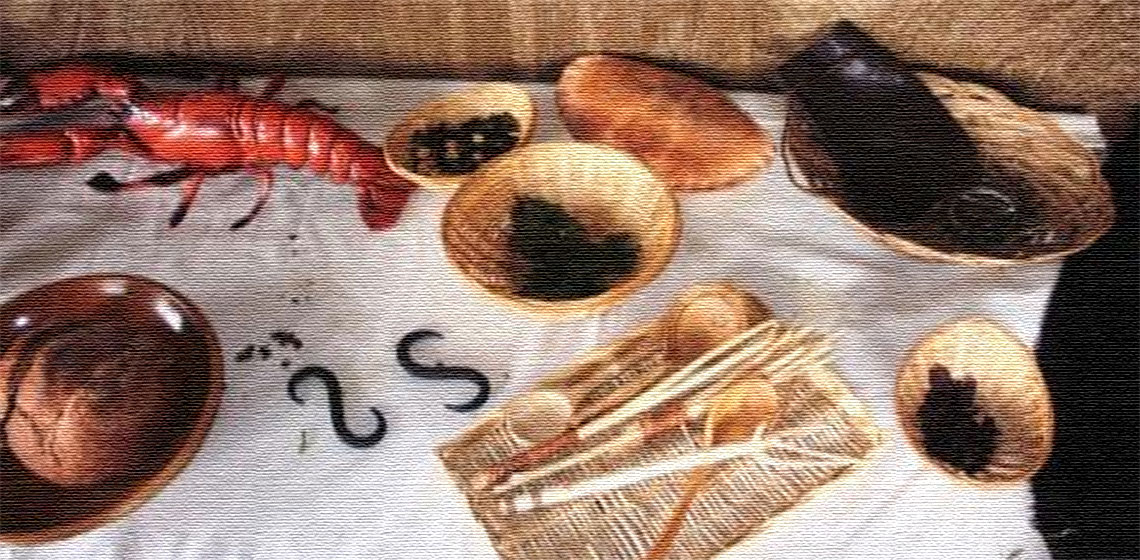
For a BBC program in 1954, Sir Mortimer Wheeler tasted a reconstruction of the Tollund Man’s last supper, which turned out to be a tasteless mush. This led him to announce: "I believe that the poor chap of Tollund committed suicide because he could stand his...
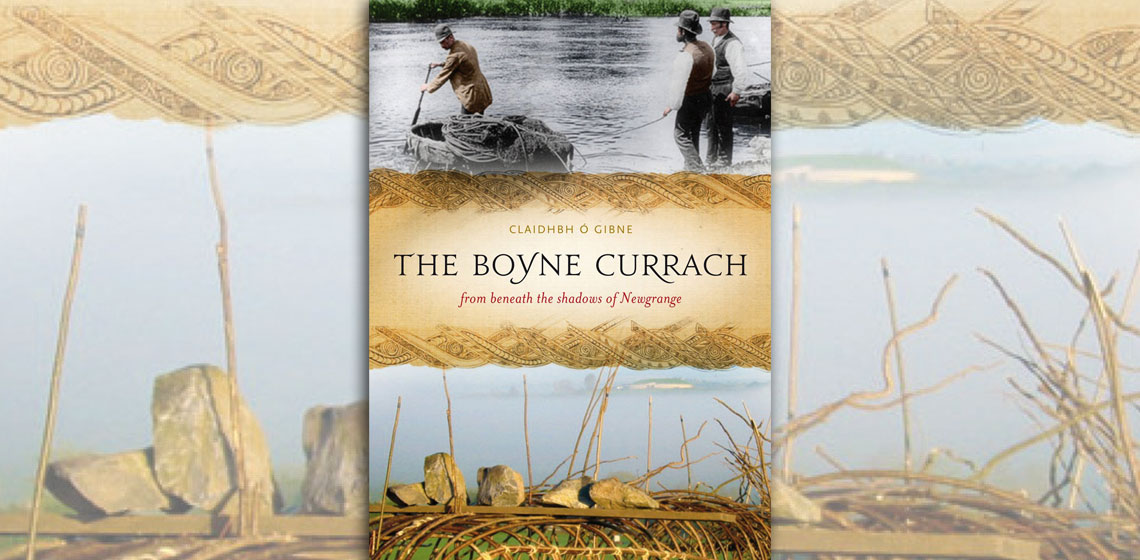
Book Review: The Boyne Currach: from Beneath the Shadows of Newgrange By Claidhbh Ó Gibne
Publication Date
Claidhbh Ó Gibne has devoted himself to building traditional currachs and researching their history. His new volume, The Boyne Currach: From beneath the shadows of Newgrange, puts the currach in the context of the history of...