
food
Experiments Using Mixtures of Earth and Straw to Hermetically Seal Underground Pits Intended for Grain Storage and Ensure Optimal Preservation
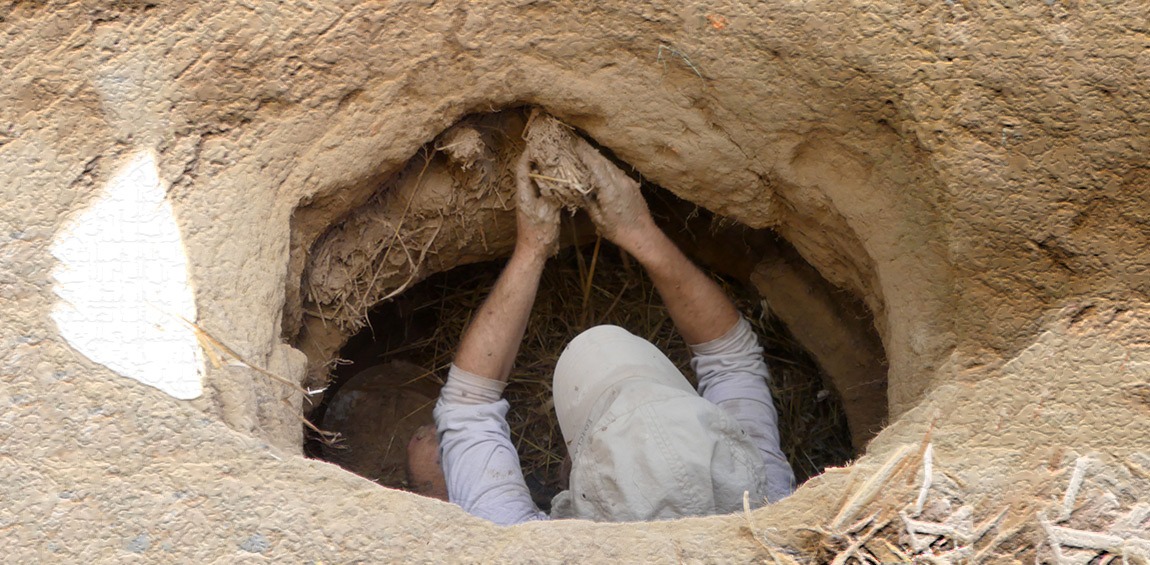
In regard to underground grain storage, archaeologists know only the shape and volume of storage pits and understand that air and watertightness is essential to protecting the reserves. It is therefore necessary to consider the plausible and effective methods for sealing such pits. The seals must be natural, readily available, and locally sourced. The grain reserves must be protected from external pests, such as insects and rodents. Given that grains are living organisms the internal environment of the pits must be capable of isolating the grain from external elements without hindering their natural development. The experiments on grain preservation in storage pits focussed primarily on using a mixture of soil and straw to seal them. The recipes and manufacturing processes have been gradually improved over ten years of experiments conducted by a multidisciplinary team.
As Dear as Salt - Indications for an Ancient Plant Ash Tradition Preserved in Old World Folktale

Publication Date
Do folktale heroines tell of a prehistoric plant ash use? The culinary use of plant ash is an ancient technology nearly extinct worldwide and completely absent from Eurasian cultural history. Despite the lack of this technology´s historical documentation, folktales provide a rich yet underestimated corpus on salt and ash. The denotation of the physical substances as well as the related narrative structures are investigated throughout several tale types...
An Experimental Investigation of Alternative Neolithic Harvesting Tools

Publication Date
Harvesting tools have seldom been found during excavations at Neolithic sites in North-Western Europe but cereal consumption was widely practiced in that region, as grain discovered in settlements showed. Several researchers have, over the last 50 years, highlighted this discrepancy between missing harvesting tools and the presence of cereal grains...
Experimental Archaeology and the Sustainability of Dental Calculus Research: The Case of Chocolate and the Nuns Of S. Maria Della Stella’s Church, Saluzzo, Italy

Publication Date
In Italy, chocolate (Theobroma cacao L.) was introduced during the Columbian exchange, and it quickly became both an important and accessible part of the Italian culinary tradition. Today, Italy is Europe’s second-largest chocolate producer...
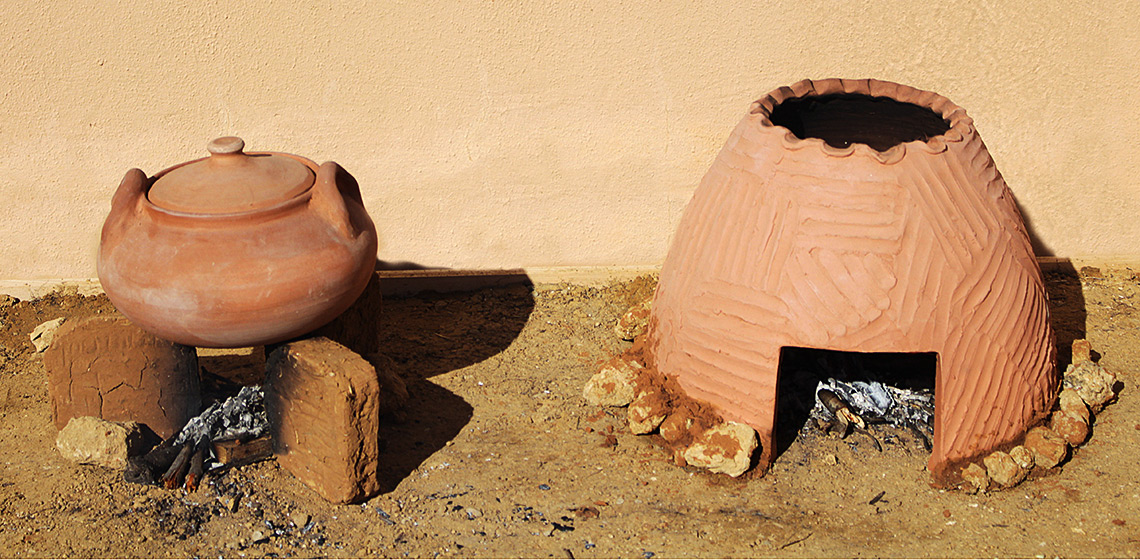
An Experimental Approach to Tannur Ovens and Bread Making in the southwest of the Iberian Peninsula during the Iron Age
Publication Date
Culinary culture has played an essential role in the configuration and interaction of human societies throughout history, shaping both individual and collective identities. Like the modern Mediterranean diet, Phoenician-Punic subsistence relied on cereals, often in the form of...
Pit Preserve from Ida – on the Problem of Charred Seeds from Prehistoric Pits
Publication Date
Introduction
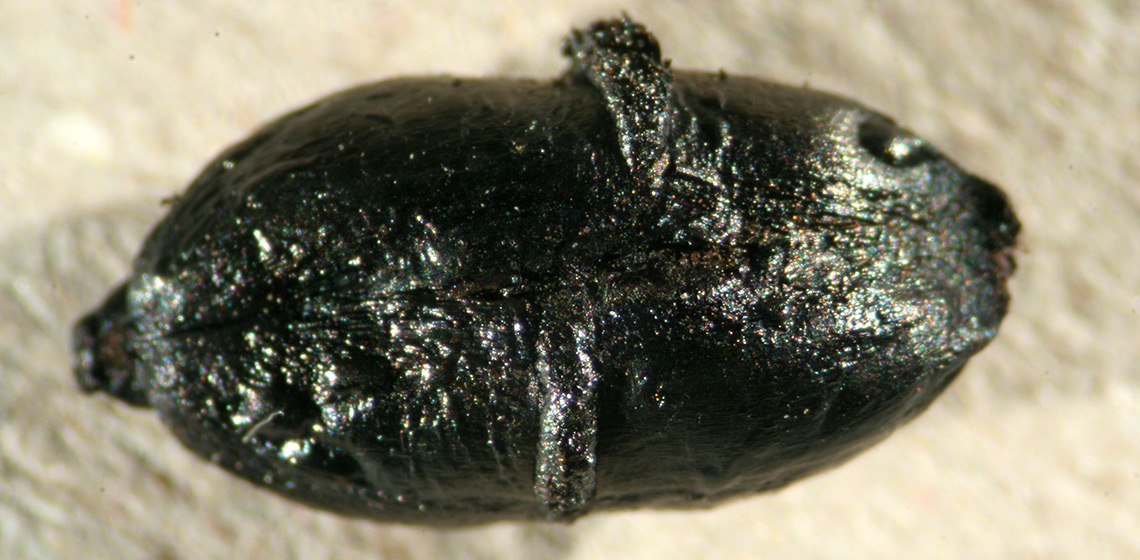
A wild seed propagator and gardener (such as myself) relies on years of close human-plant interaction. The adaptability of domesticated and many wild plants to human economy and behaviour has always thrilled me. When I first read archaeological reports of frequent and large amounts of prehistoric charred seeds that were dumped in the ground I was bemused. It contrasted starkly with the care and sensitivity I use in the processes of seed harvest, drying and selection. So I started reading more and also charring seeds myself.
An Analysis of Contemporary Sources to Uncover the Medieval Identity of the Drink Bochet
Publication Date
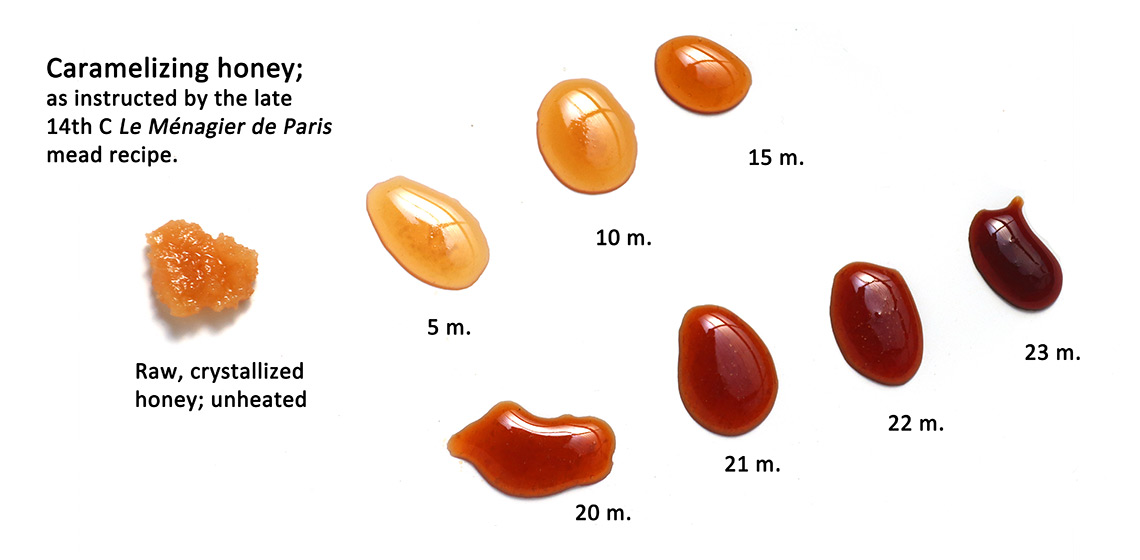
When Le Ménagier de Paris (1393), a medieval household manual detailing a woman's proper behavior in marriage and running a household, was newly translated and republished as The Good Wife’s Guide: a Medieval Household Book by the Cornell University Press in 2009, its collection of recipes – including one for bochet – became easily available to the general public...
The Vertical Olive Crushing Mill as a Machine and its Energy Balance - A Preliminary Approach
Publication Date
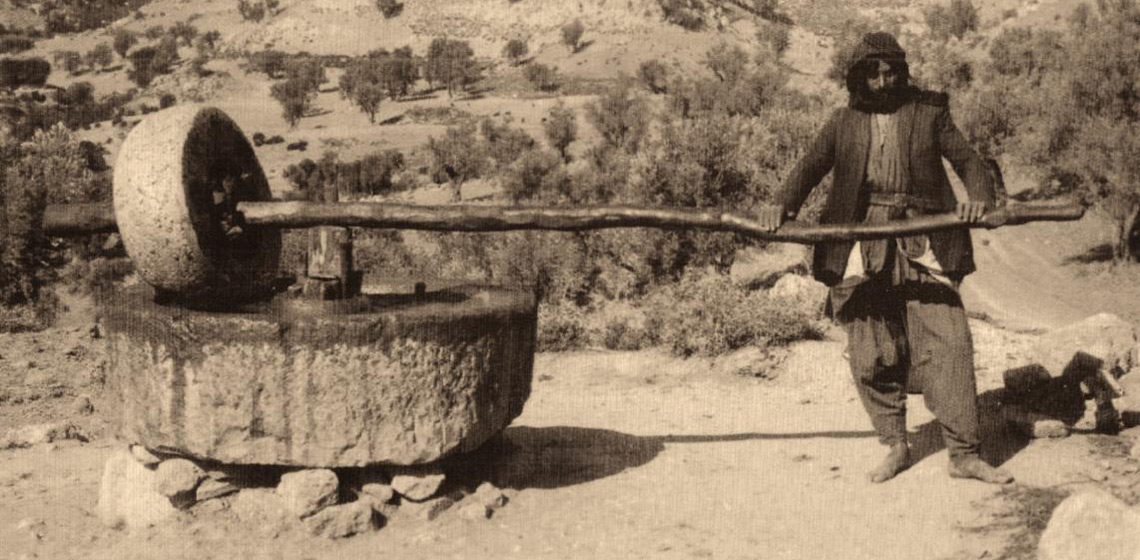
The vertical crushing mill turns the olives into pulp by combining the rotational and rolling motion of a heavy upright stone wheel that moves with continuous contact along a circular horizontal trajectory on a stationary base which forms the system's frame of reference. It was devised during the Hellenistic period and served as one of the most important and impressive means of production in the pre-industrial olive mills of Crete and the Mediterranean in general, until more advanced mill types gradually started replacing it from the mid-19th century onwards.
Bottle Gourd as an Implement for the Poor in Roman Italy
Publication Date
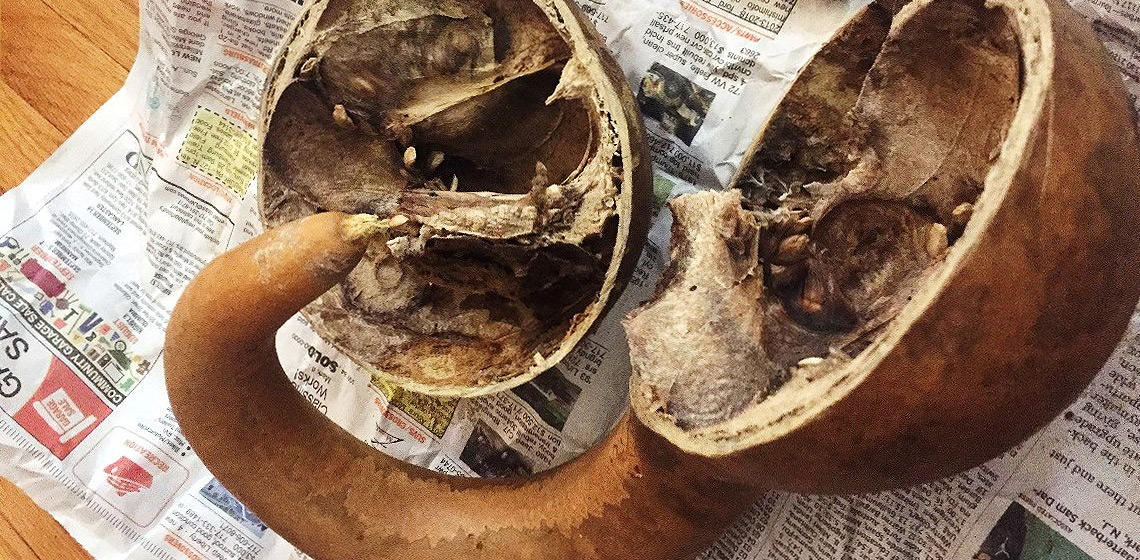
Bottle gourds, which are thought to have originated in Africa, have been collected and cultivated in Italy since antiquity for the making of vessels and utensils, as well as food, musical instruments, and fishing buoys. Columella and Pliny the Elder both write extensively about the uses of bottle gourds, yet the importance of this vegetable in antiquity is notably absent from modern scholarship...
Diet of the Poor in Roman Italy: An Exploration of Wild and Cultivated Plants as an Essential Dietary Component
Publication Date
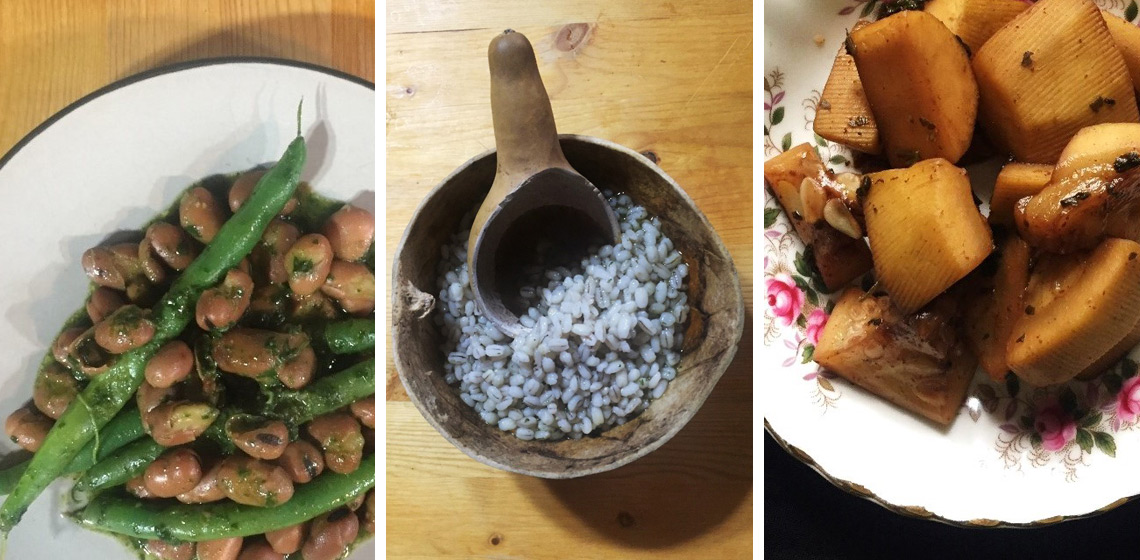
Most of the population of Roman Italy was poor, whether they were the poor who were constantly in search for food and shelter, or the temporarily poor who were artisans or shopkeepers but could fall into poverty at times. In classical literature, pleasures of the mind were favoured over pleasures of the body. Epictetus wrote that only stupid men spent time dwelling on matters of the body such as eating...