
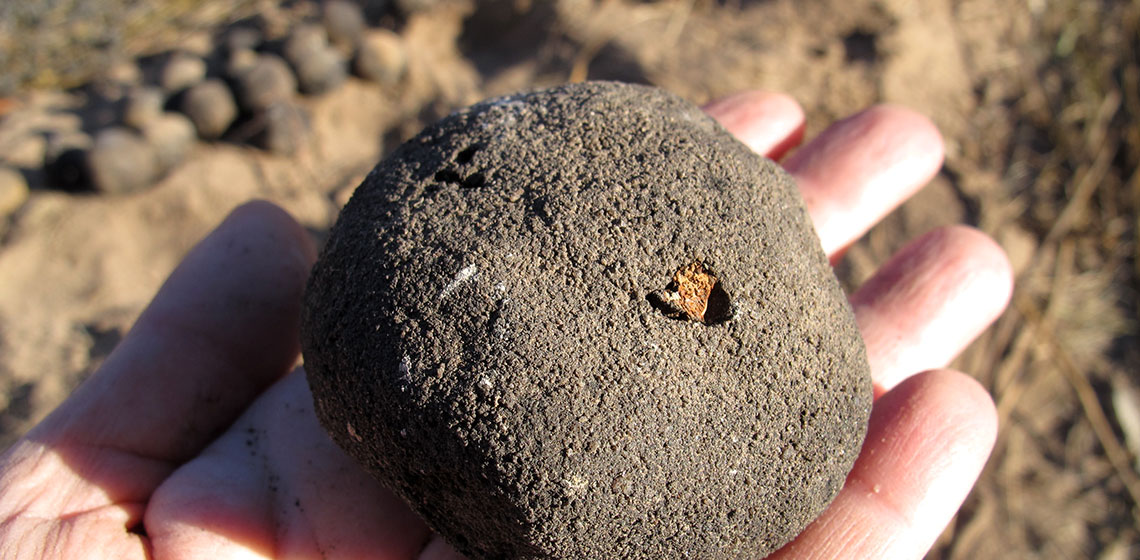
furnace, kiln or oven
Re-Creating an Aboriginal Earth Oven with Clayey Heating Elements: Experimental Archaeology and Paleodietary Implications
Kicking Ash, Viking Glass Bead Making
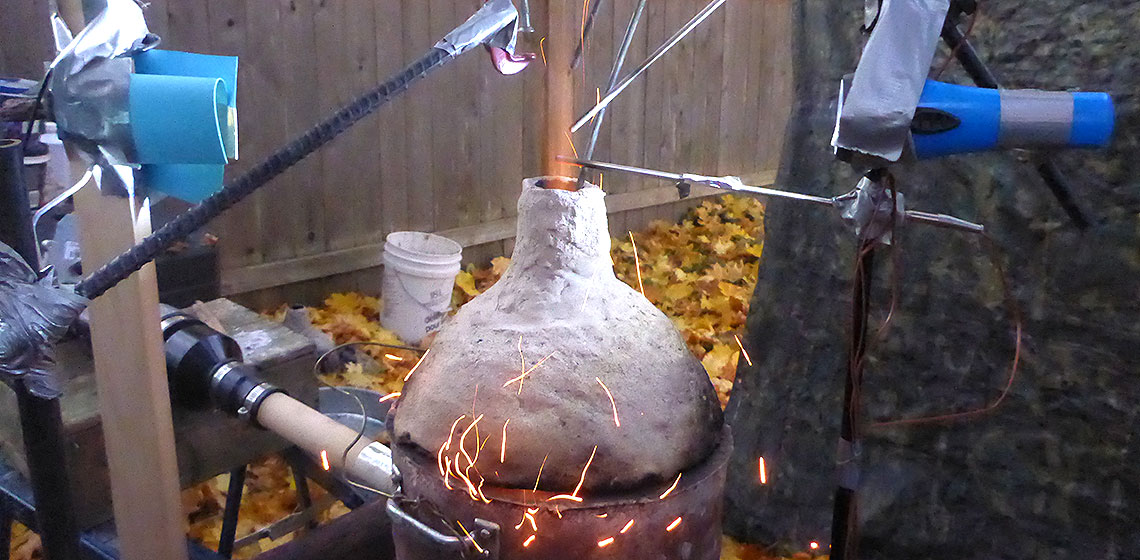
***Tens of thousands (Callmer, 1977, pp.12-32) of beads marking the rich graves of the Viking world indicate that the production of these beads is an area worthy of study. Evidence such as mandrels, crucibles, bead fragments, and semi-manufactures exist at Helgo, Birka, Paviken, Hedeby (Lundström, 1976, p.3), Kaupang (Gaut, 2011, p.232), Frojel (Carlsson, 2011), Åhus (Callmer, 2001, p.138), and Ribe (Sode, 2004, p.86). At Ribe...
Experimental Production of High and Late Medieval Pottery at the Scientific Research Centre in Panská Lhota
Problems and Suggested Solutions in the Replication and Operation of a Glass Furnace based on Roman Remains: an Experiment in Glass Production
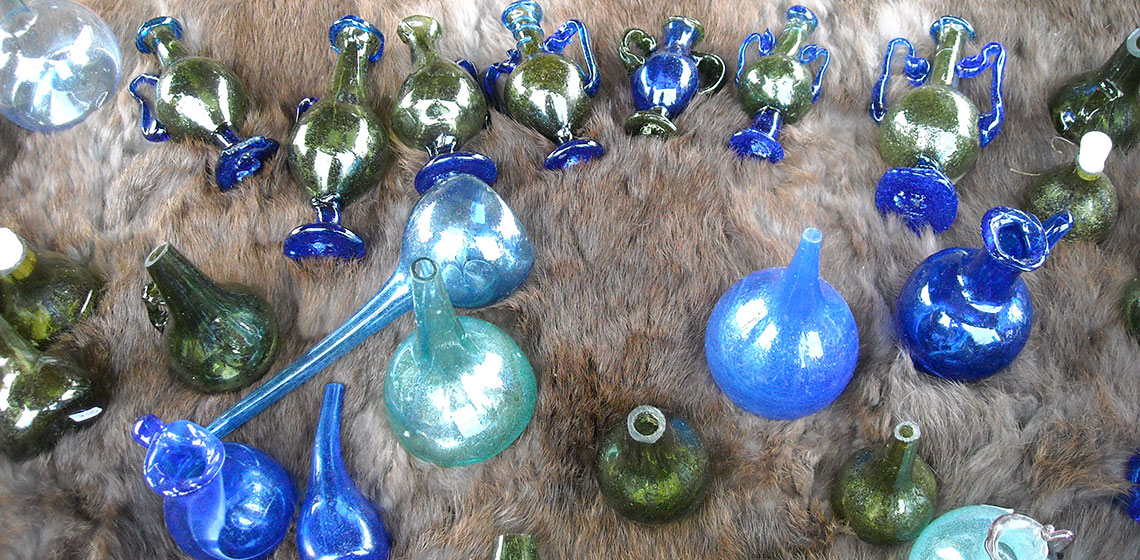
Part of the reorganisation of the archaeological open-air area at Asparn are plans for a remaking of the Iron Age workshop area. The construction of an Iron Age smithy and a glass production furnace are also being planned. As is widely known ‘glass can be made out of quartz sand, potash and lime’. But is it as easy as that? It is therefore legitimate to discuss here the experimental efforts involved in its production.
An Experimental Approach to Studying the Technology of Pottery Decoration
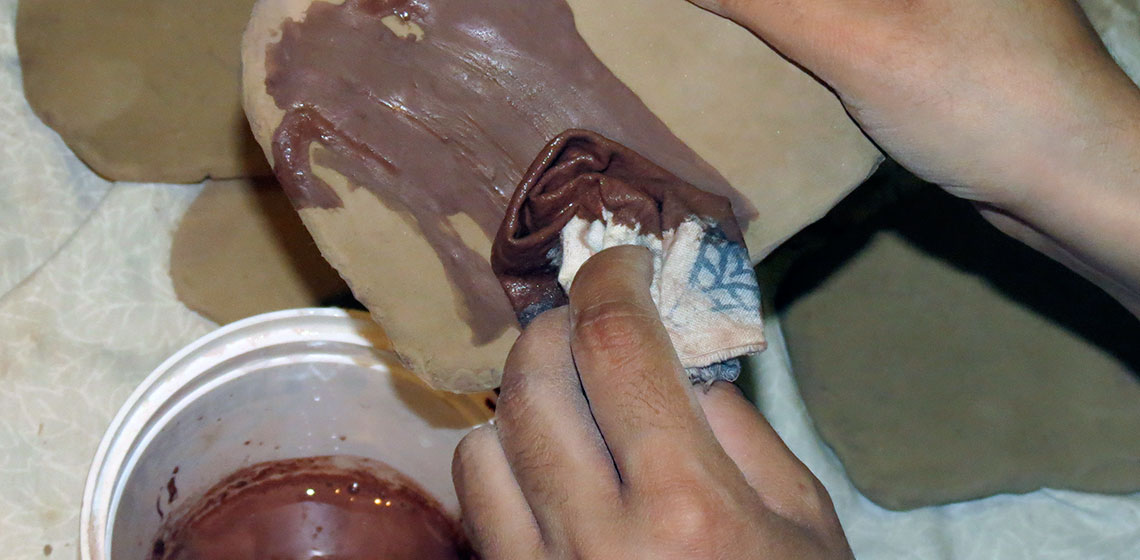
***The early Middle Chalcolithic pottery tradition of Seh Gabi Tepe in Iran is called Dalma tradition. Among the different types of Dalma pottery, I have focused on monochrome painted ceramics, to investigate, by means of experimental analysis, how their decoration technology was undertaken...
The Registry of Memory Process Applied to Experimental Archaeology in a Castromao “Oven”
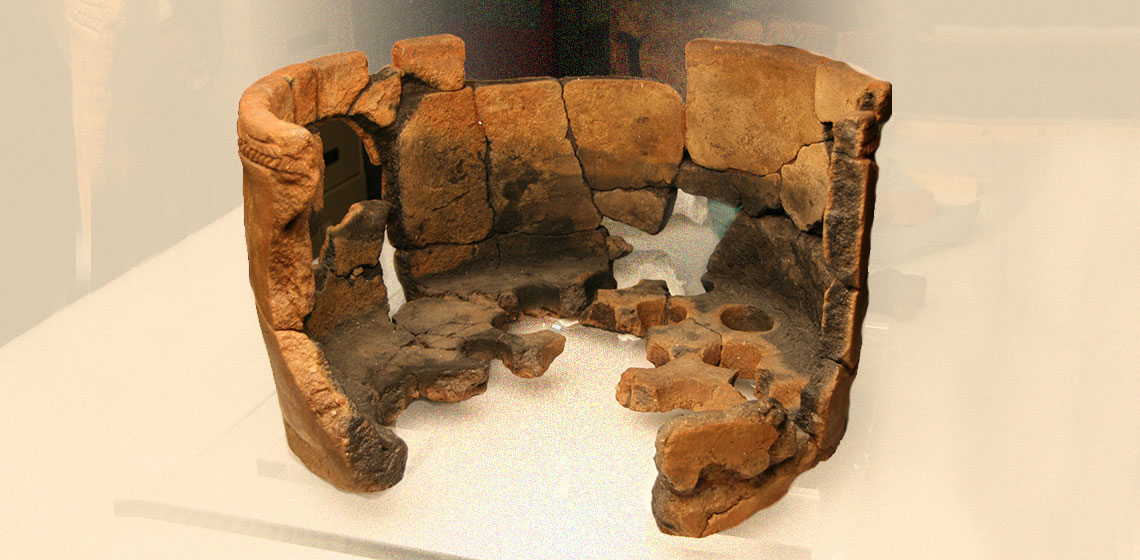
***Memory is the cognitive process that codifies, stores and retrieves past actions that are perceived in the present, generating our remembrances and perceptions of the past and informing our knowledge of the world around us (...) Applied to archaeology, memory can be understood as the marks or...
Acorn Bread in Iron Age of North-western Iberia, from Gathering to Baking
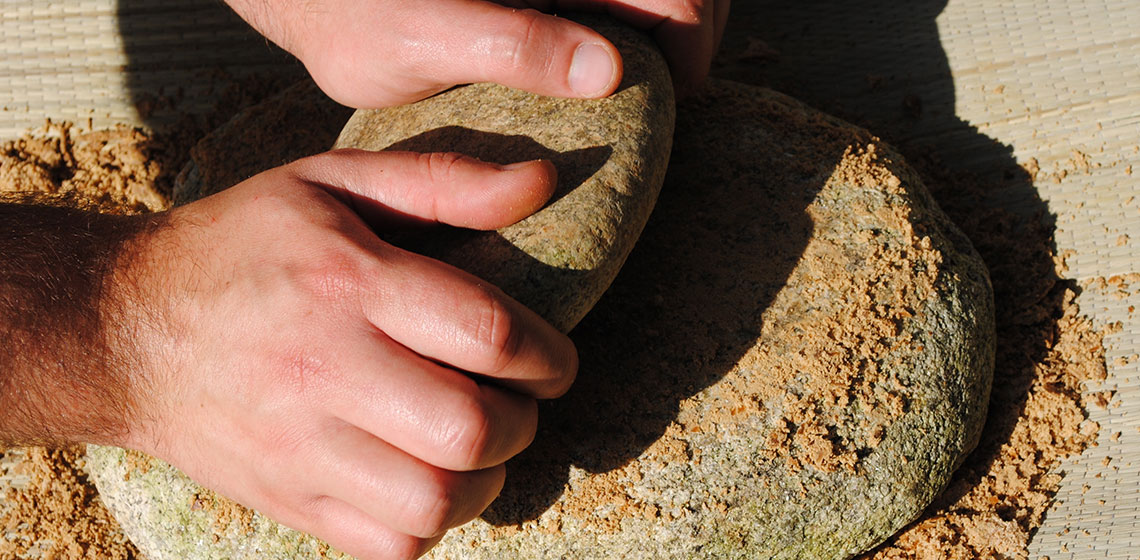
***Strabo's Geography is one of the main sources that archaeologists use for the study of the Castro Culture’s (Iron Age in north-western Iberia) customs on food and consumption. In his description, he affirms that during two thirds of the year, those mountaineers fed on the acorn...
The Production of High Carbon Steel Directly in Bloomery Process: Theoretical Bases and Metallographic Analyses of the Experiments Results
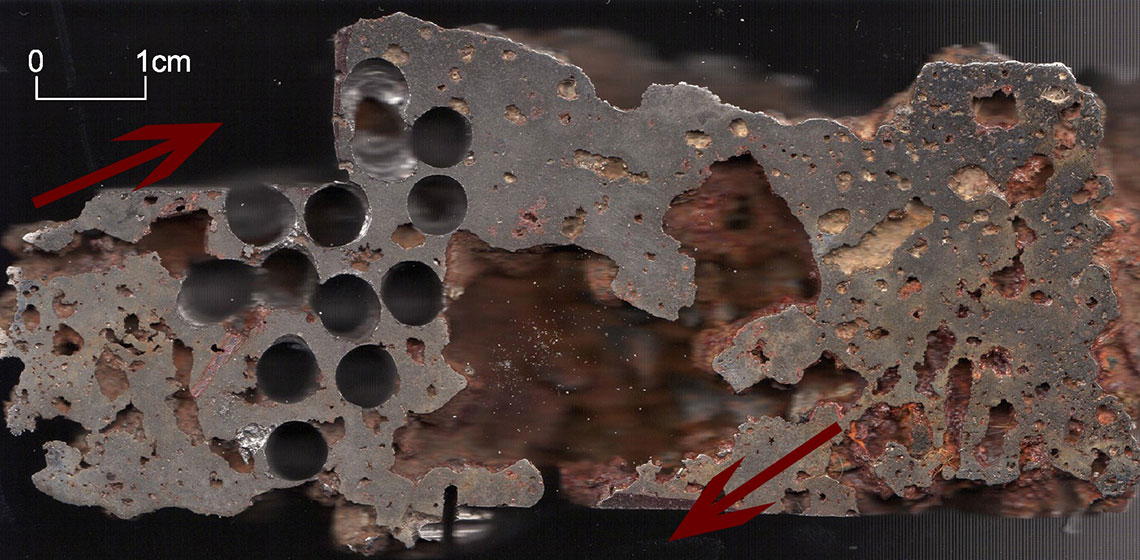
***The series of experiment on iron smelting conducted by author in 2012 resulted in very good quality high carbon steel produced directly in the bloomery furnace. Bearing in mind the unusual mechanism of carburization in a 'Aristotle furnace', a question arose concerning possibility of occurrence the same phenomenon during the smelting process. This paper discusses the results of the metallographic studies of produced iron as well as the description of the conducted experiments.
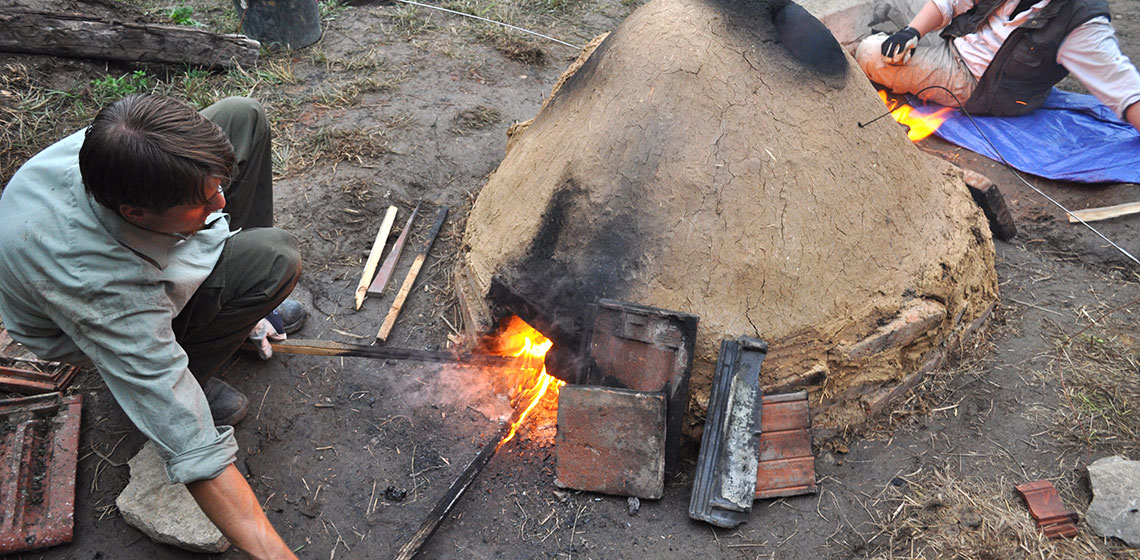
Let’s Build a Medieval Tile Kiln - Introducing Experimental Archaeology into the University Curriculum
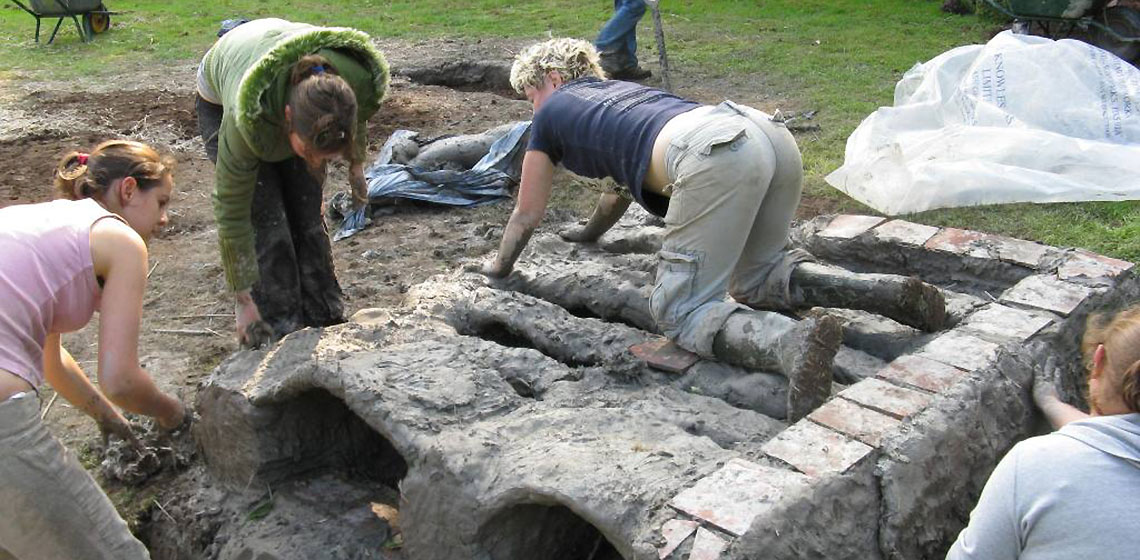
***As a lecturer at the University of Central Lancashire (UCLAN) I teach a course on medieval archaeology and run a successful programme in designing exhibitions for local museums and community groups. I also encourage my students to take part in the community archaeology and history projects...
Experimental Lime Burning Based on the Findings from the Roman Empire Period
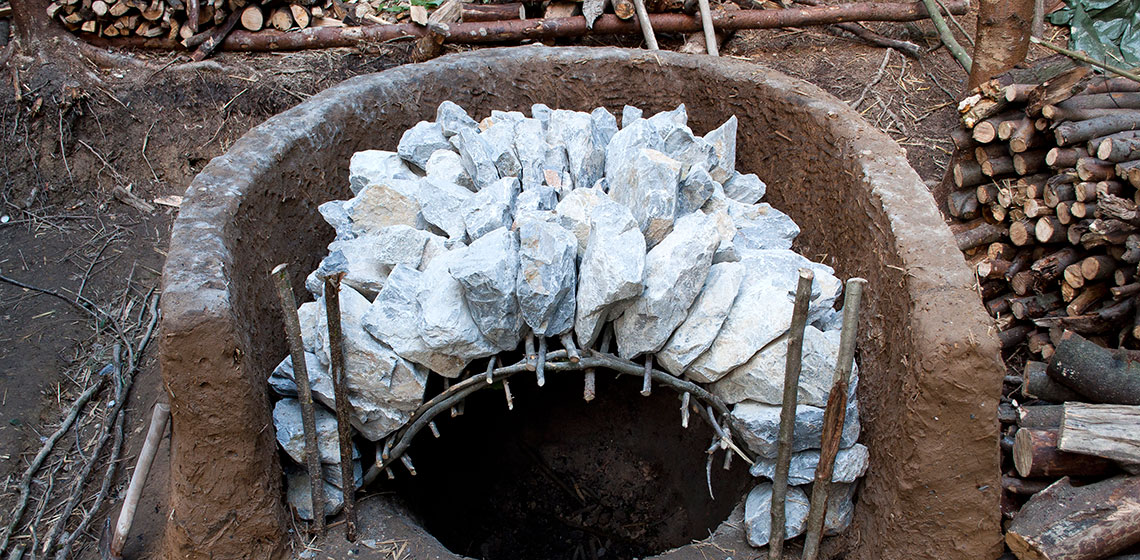
In 2006 the remains of two lime kilns from the Roman Empire period were discovered in Tuněchody near Chrudim in the Czech Republic. These finds became the object of a detailed multidisciplinary research project resulting in hypotheses on the use of the kilns. Based on these hypotheses experimental research was designed (Thér et al. 2010)...